

- Eva Amelynck
- Janet Askew
- Carl Bäckstrand
- Natalia Balcerzak
- Jacek Barski
- Elisabeth Belpaire
- João Bento
- Ivan Blasi
- Kristiaan Borret
- Konstantina Chrysostomou
- Borysław Czarakcziew
- Frank D’Hondt
- Elena Dimitrova
- Michał Domińczak
- Michiel Van Driessche
- Martin Dubbeling
- Michał Duda
- Beate Engelhorn
- Ryszard Gruda
- Piotr Grzelak
- Sławomir Gzell
- Markus Hedorfer
- Martina Juvara
- Laura Kairienė
- Bahaa Bou Kalfouni
- Jutta Kastner
- Tomasz Konior
- Kamil Kowalski
- Magdalena Kozień-Woźniak
- Anda Kursisa
- Petr Lesek
- Michał Leszczyński
- Piotr Lewicki
- Bohdan Biś Lisowski
- Piotr Lorens
- Bartosz Macikowski
- Tomasz Majda
- Paweł Majkusiak
- Andro Mänd
- Oliver Martin
- Stephan Mayer
- Michał Młyńczak
- Stefan Moser
- César Reyes Nájera
- Normunds Popens
- Eugen Pănescu
- Małgorzata Peters
- Ruth Schagemann
- Marcos Ros Sempere
- Janusz Sepioł
- Björn Siesjö
- Bolesław Stelmach
- Małgorzata Tomczak
- Agata Twardoch
- Catherine Vilquin
- Szymon Wojciechowski
- Marcin Woyciechowski
- Maciej Zielonka
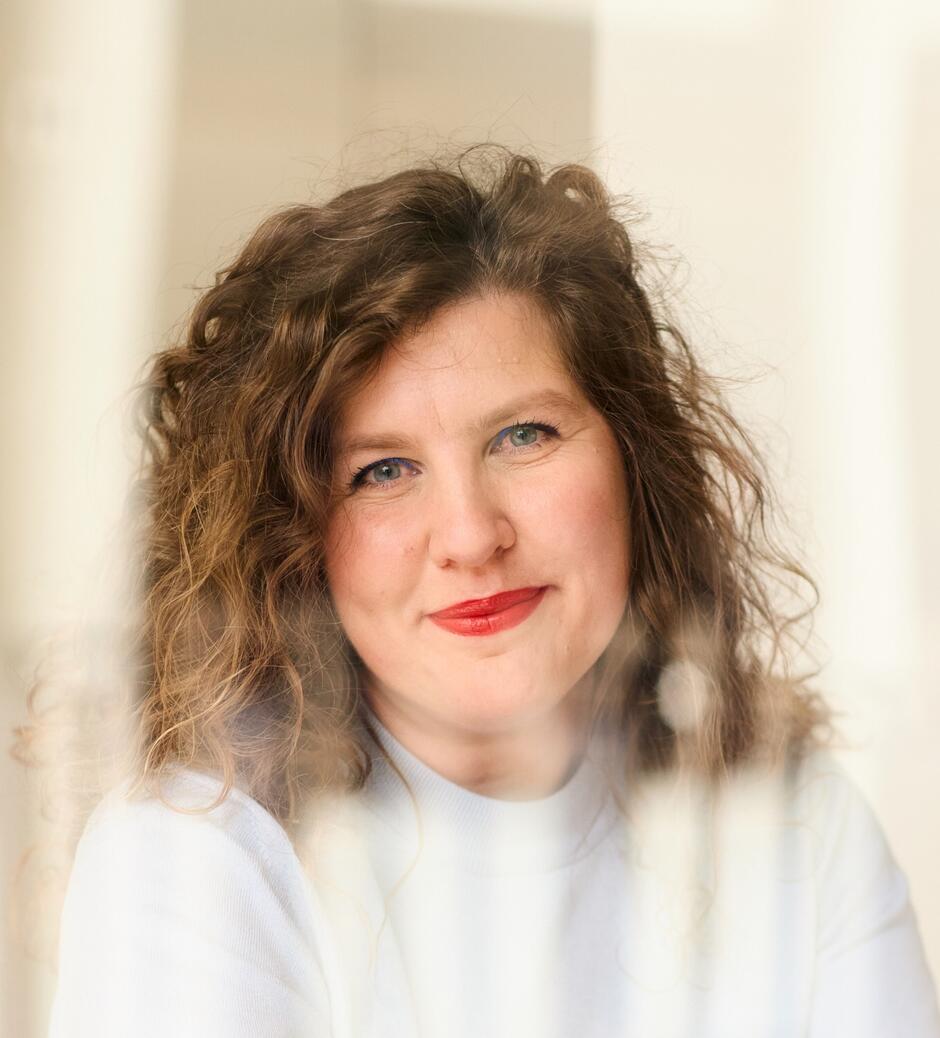
Eva Amelynck
Eva Amelynck is architectural engineer and is working for the Flemish Government Architect's Team in Belgium. The mission of the Flemish Government Architect is to promote the architectural quality of the built environment in Flanders. Specifically, this aim is pursued by the guidance of public institutions in public and public-private construction projects in the field of the design and realization of buildings, public space, landscape and infrastructure. One of Eva’s responsibilities within the team involves international quality policies. She represents the team within European networks such as the European Directors on Architectural Policies Network and the Davos Baukultur Alliance.
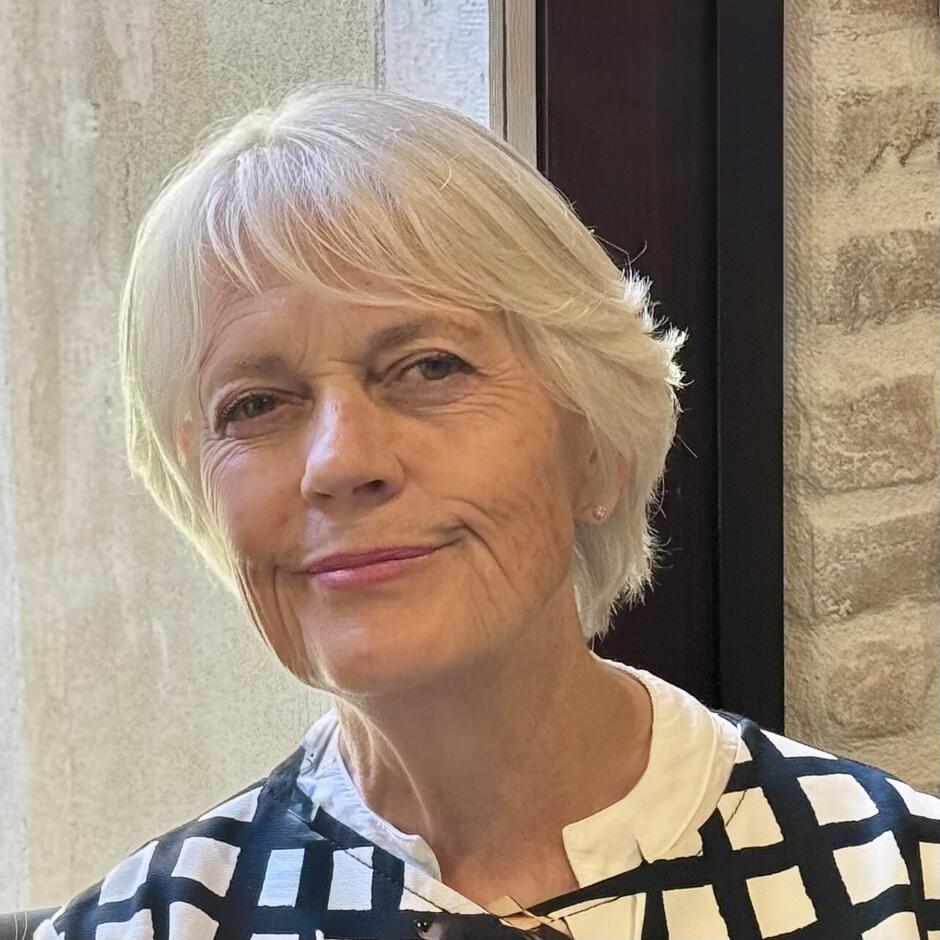
Janet Askew
Janet Askew is a chartered town planner from the UK, Vice-President of the European Council of Spatial Planners, and Past President of the Royal Town Planning Institute (UK). She represents the ECTP-CEU on the World Economic Forum’s Davos Baukultur Alliance, which promotes sustainability across Europe. Over a long career she has worked in private and public practice and was the head of the Bristol School of Planning and Architecture. She currently holds a position of Visiting Professor of Planning Law at Ulster University in Northern Ireland, having also been a visiting professor in two Taiwanese universities, as well as contributing to the professional entry programme for planners in Singapore. Janet Askew frequently lectures and contributes keynote speeches on planning matters at conferences in Europe, Taiwan and China. She is a member of the International Platform of Experts in Planning Law; and an advisor to the German ARL to whose most recent book on ‘Land Policy in Europe’ she has contributed. She is a former chair of the United Kingdom Built Environment Advisory Group (UKBEAG), originally set up to build capacity in the built environment professions in areas of humanitarian and natural disaster, during which time she addressed the United Nations High Level Political Forum on Sustainable Development.
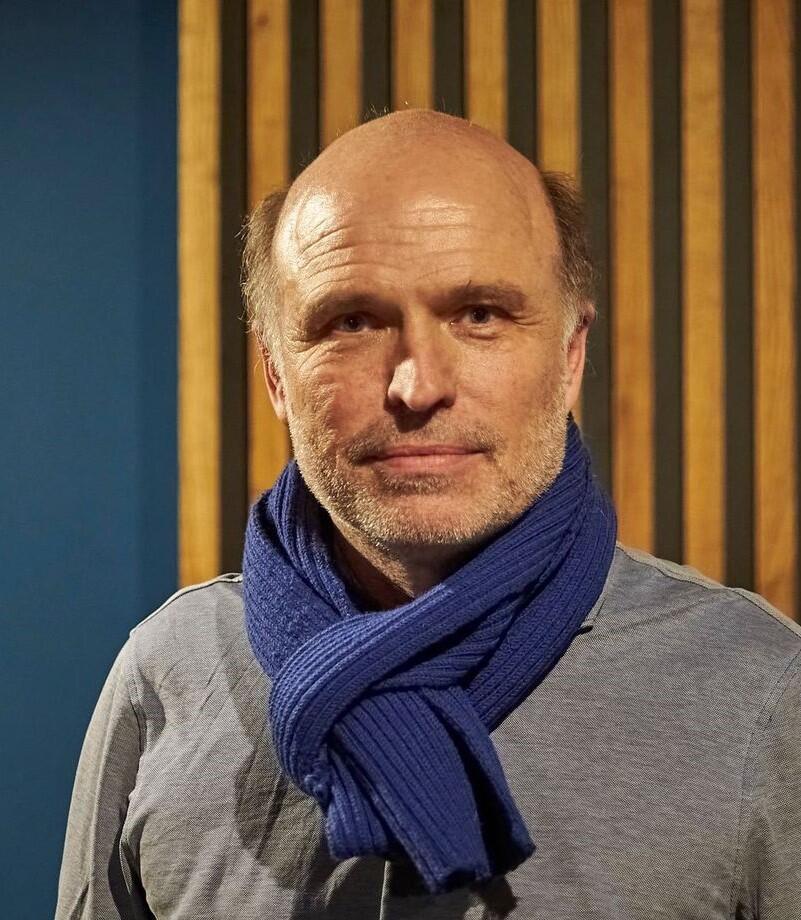
Carl Bäckstrand
Carl Bäckstrand is a partner and deputy CEO of White Arkitekter, Scandinavia’s interdiciplinary thought-leader in sustainable architecture. White is recognised for visionary projects facing the challenges with climate change, affordable housing and green healthy living environments, such as the new harbour development Makasiiniranta in Helsinki, the Gascoigne housing estate in London and the Woodcity in Stockholm. Focusing on circularity, nature-based solutions and social values White won the 100-year Masterplan for the relocation of the City of Kiruna in Sweden’s Arctic north and since then the New European Bauhaus has inspired the company even more to develop its interdiciplinary approach. Carl has a master’s degree in architecture at Lund University followed by studies in Landscape architecture at Royal Academy of Arts in Copenhagen and Urban Design as a Visiting Scholar at MIT Cambridge MA. As Vice President in Architects Council of Europe and a former Co-Chair of the International Council at van Alen Institute in NYC Carl is a strong advocate for collaborations and partnerships bringing architects and businesses closer to science and policymakers.
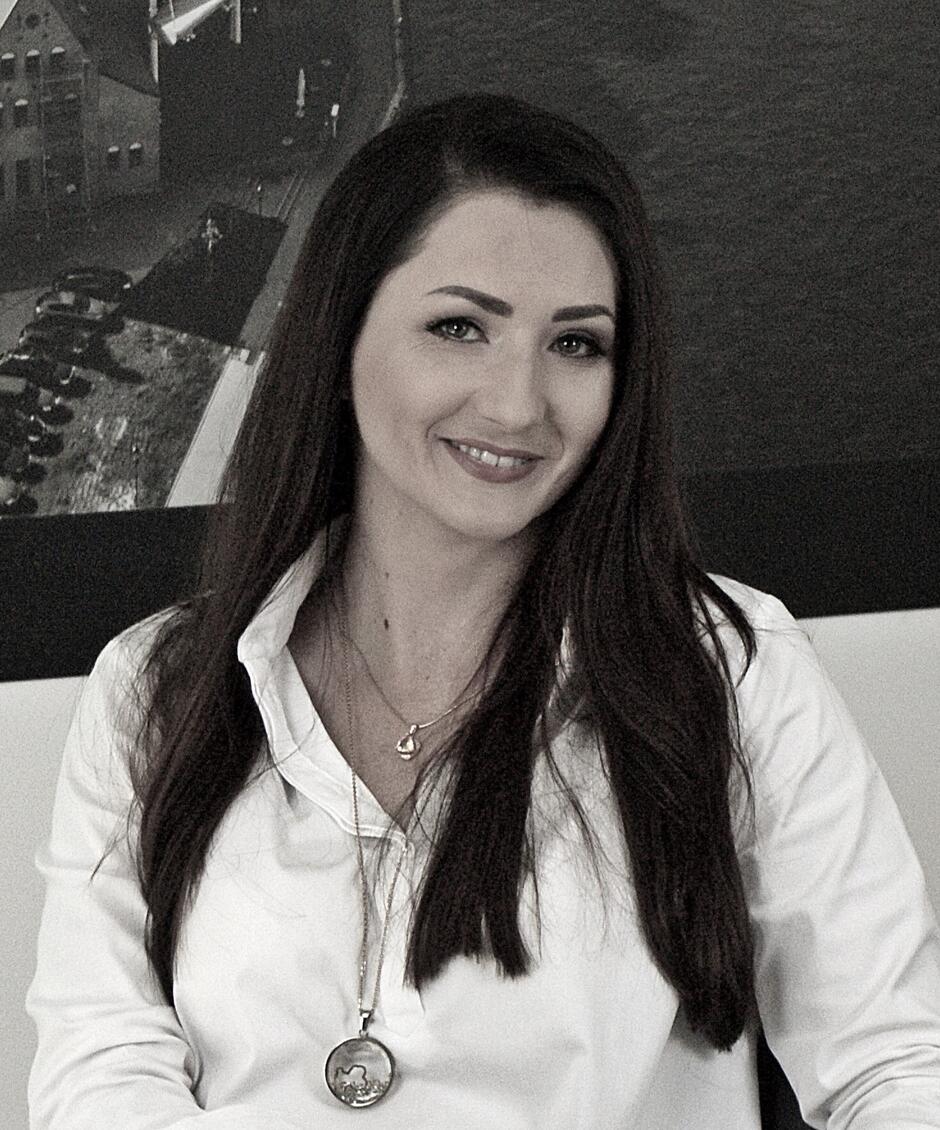
Natalia Balcerzak
Born in the Mazovia region, but associated with Gdańsk for the past two decades, a graduate of Gdańsk University of Technology. She is the President of the Association of Polish Architects – Coastal Branch, and a Member of the Pomeranian Regional Chamber of Architects. An architect with 19 years of professional experience. Founder and Chief designer at the architectural studio NB ARCHITEKCI. Laureate of the "Forbes Professionals – Public Trust Professions" award in the Architect category.
Speaker at national and international scientific conferences.
Author of numerous scientific articles on the revitalization of historic buildings.
Jacek Barski
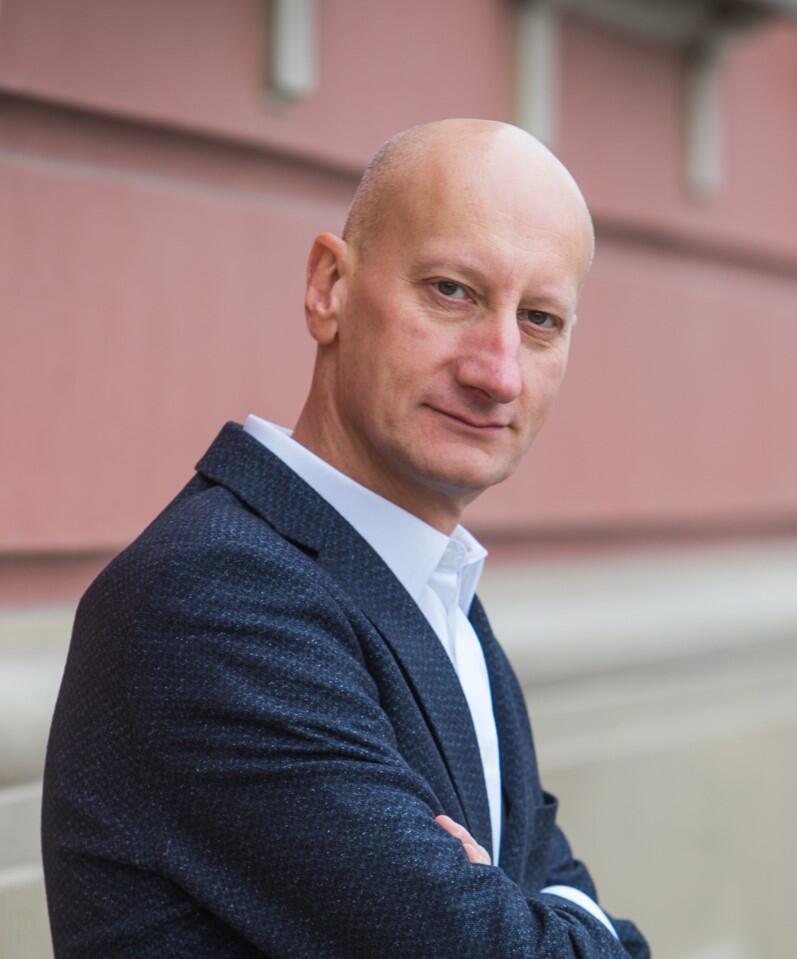
Jacek Barski is a graduate of the Faculty of Architecture at Wrocław University of Science and Technology, where he completed his master’s degree and later defended his doctoral dissertation. From 1989 to 2019, he worked at the Department of Spatial Planning at the same university. He is the author and co-author of numerous publications on spatial planning. Between 1989 and 2001, he was a co-owner of an architectural design studio. Since 2001, he has been involved with the local government of Wrocław—first as Deputy Director of the Wrocław Development Office responsible for spatial planning, and since 2008 as Director of the department in charge of architecture and urban planning.
Jacek Barski participated in the development and adoption of all editions of the Study of Conditions and Directions of Spatial Development for the city. He has also contributed to the preparation of several hundred Local Spatial Development Plans in Wrocław. As a practicing architect, he was, among other distinctions, the winner of the 1995 competition for the most beautiful infill building in Wrocław. This competition, with over 60 years of tradition, was originally known as “Mister Wrocław,” later as “The Most Beautiful Infill of the Year,” and is now called “Beautiful Wrocław.”
Since January 2025, he has held the position of City Architect of Wrocław.
Elisabeth Belpaire
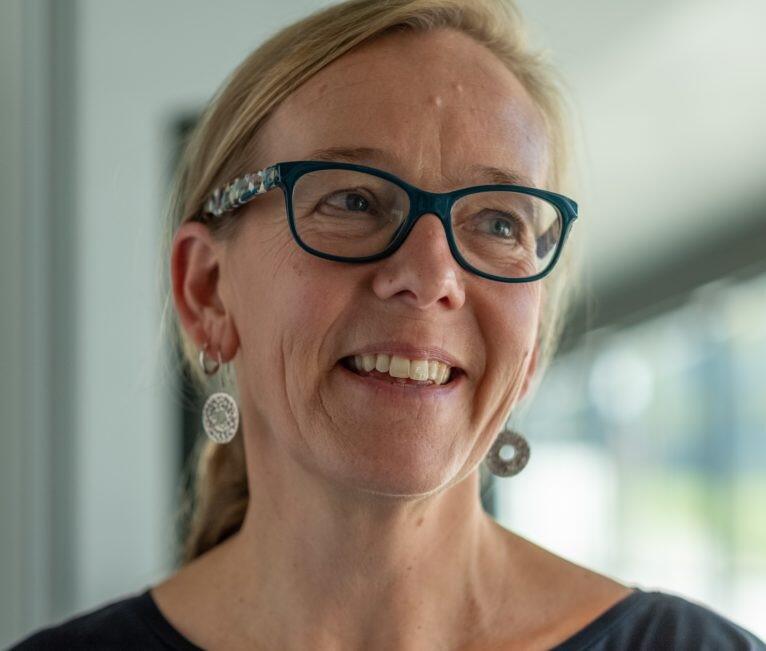
Elisabeth Belpaire, President of ISOCARP (2024–2027), is engineer architect, and urban and spatial planner with over 25 years of global experience in integrated urban and territorial planning, urban health, child friendly planning, disaster risk reduction, and post-conflict recovery. She has worked in Europe, Asia, the Middle East, Latin America, and Africa with organisations as UN-Habitat, BV Leer Foundation, architecture and urban planning practices. Elisabeth champions equitable, resilient environments for all, including women, youth, and marginalised populations.
Elisaeth serves on global advisory groups, including Expert Advisory Council of the International Society on Urban Health, APA Planning Foresight community, Liveable CitiesX Advisory Board, WHO, OECD. She created Women in Planning and co-created ISOCARP’s Urban Health Community, and is international keynote and TEDx speaker. Elisabeth holds a MSc in Engineering Architecture from Ghent University and an Advanced MSc in Urban and Spatial Planning from KULeuven in Belgium.
João Bento
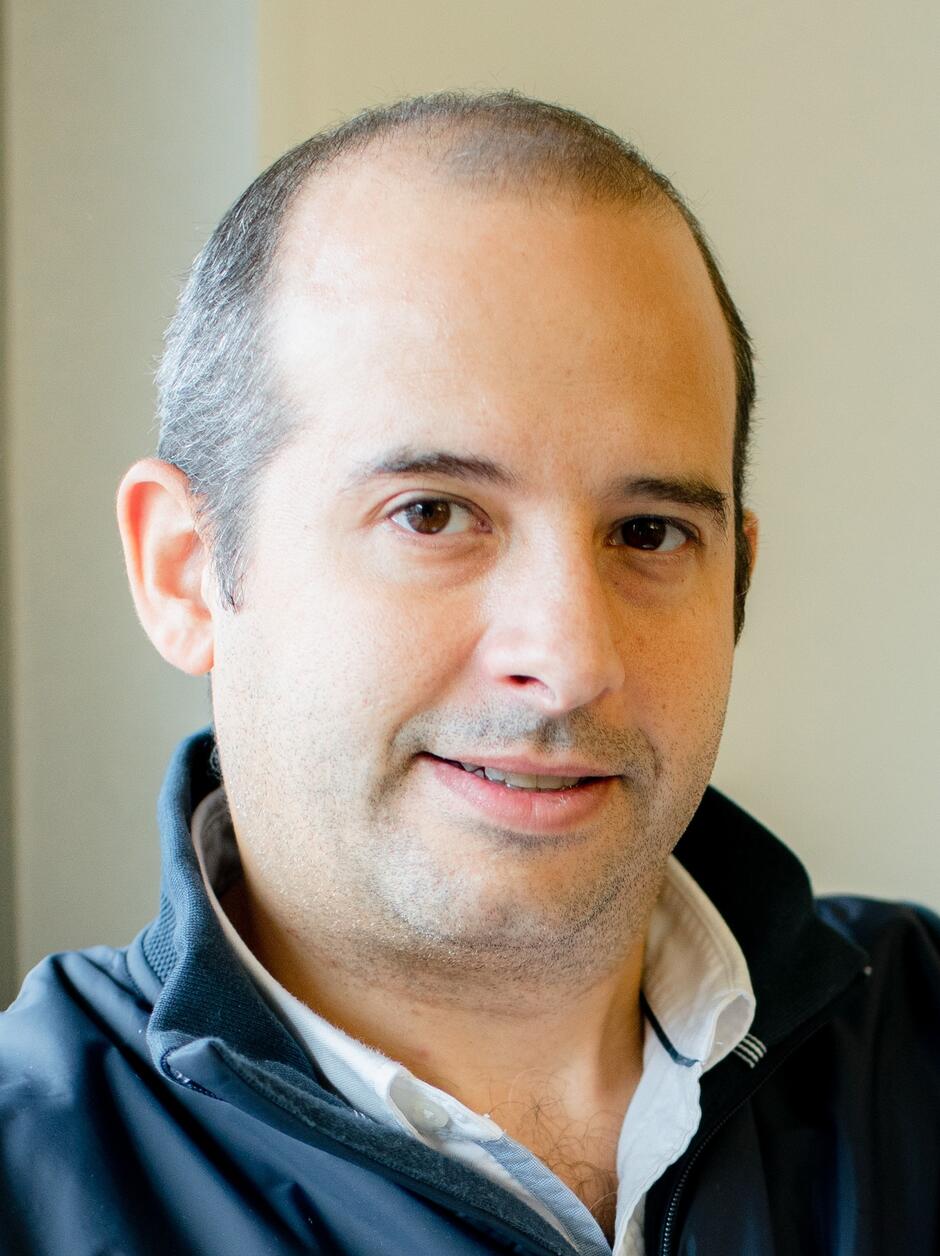
João Bento is a researcher at Portugal’s National Laboratory for Civil Engineering (LNEC). He is a trained architect, having graduated from the School of Architecture in Lisbon, Portugal (2006), and later earned a PhD in Urbanism from the Bartlett School of Planning – UCL (2017). From 2019 to 2021, João contributed to the international research project URBAN MAESTRO, coordinated by UN-HABITAT, which culminated in the publication of the book Urban Design Governance, released by UCL Press (2023).
In collaboration with the Architects' Council of Europe (ACE), João recently developed a study on Architectural Policies in Europe (2025). He also served as a policy expert in the European Commission’s ‘Living Spaces’ initiative, led by EUROCITIES, and has been a guest speaker at several international conferences across Europe.
Ivan Blasi
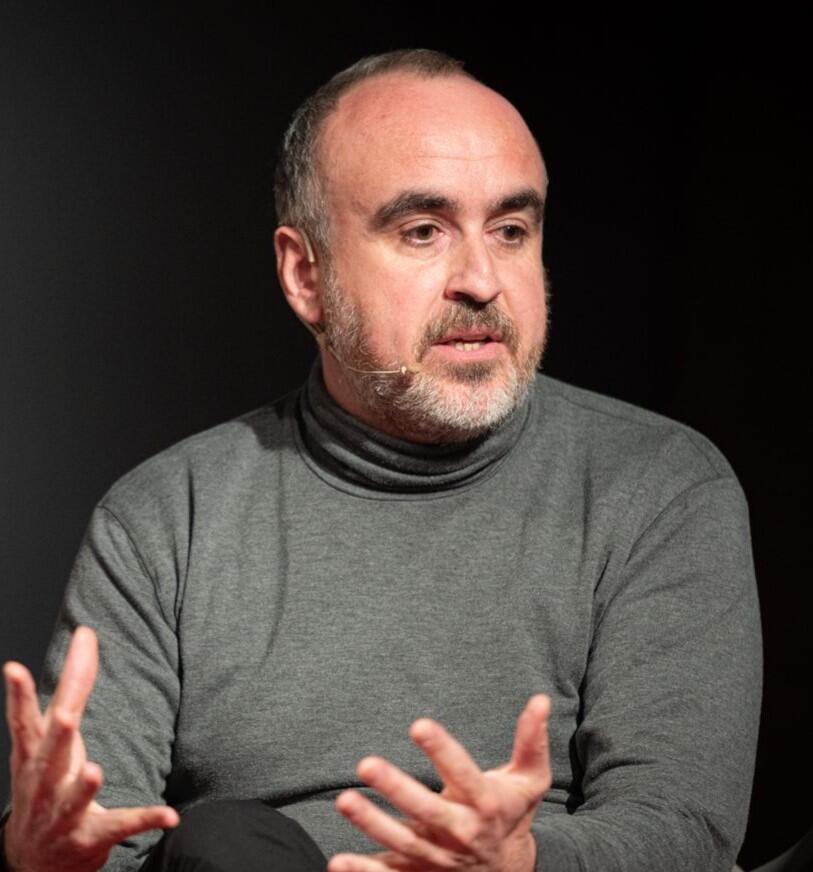
Ivan Blasi is the Director of the European Union Prize for Contemporary Architecture / Mies van der Rohe Awards (EUmies Awards), organised by the Fundació Mies van der Rohe in Barcelona with the support of Creative Europe. Trained as an architect, he has played a key role in curating and promoting the EUmies Awards, which celebrate the most significant contemporary architectural works across Europe.
His work is centred on fostering dialogue between emerging talent, established professionals, institutions, and the public, with a strong emphasis on sustainability, innovation, and cultural exchange. The Interventions Program at the Barcelona Pavilion – featuring works by Andrés Jaque, SANAA, Ai Weiwei, BACH, and Centrala, among others – exemplifies this commitment to experimentation and collaborative research.
He has curated numerous exhibitions, lectures, and publications that extend the reach and relevance of European architecture, and he actively contributes to architectural discourse through international partnerships and educational initiatives.
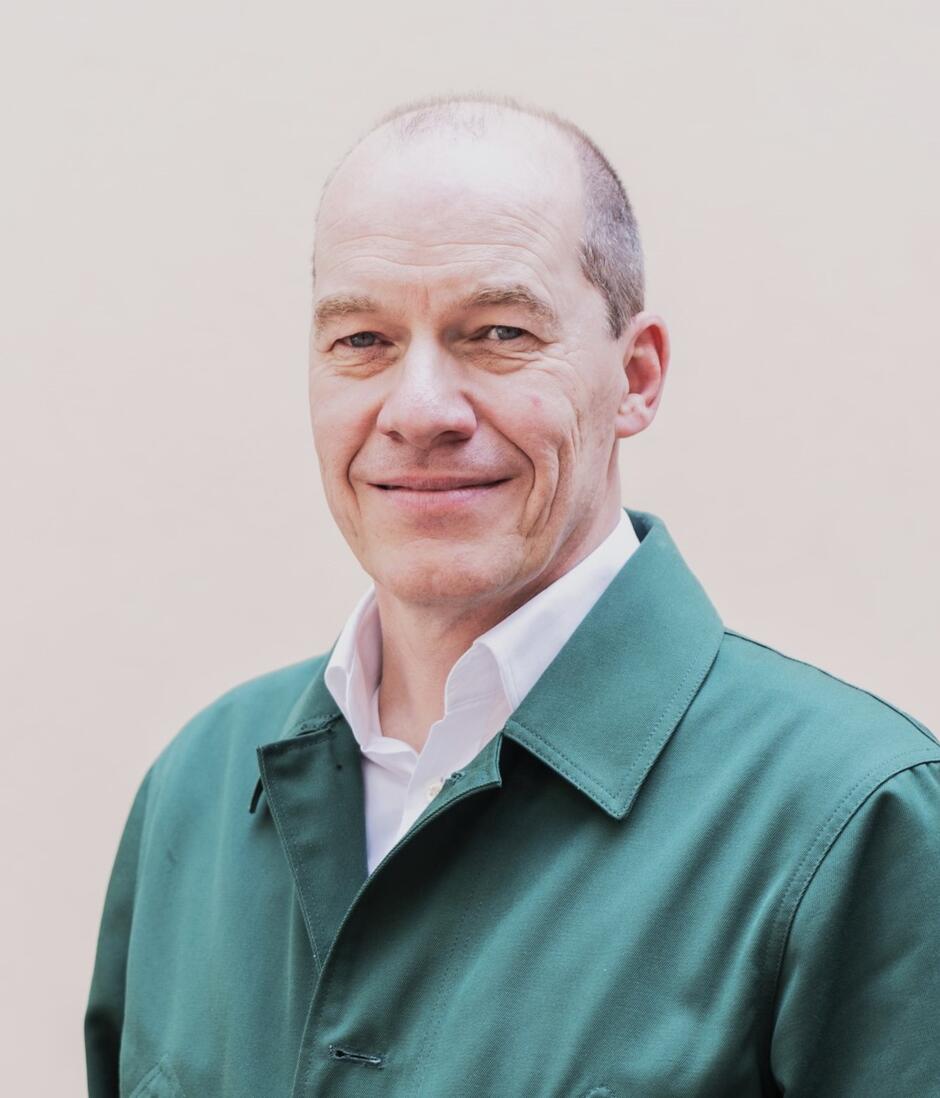
Kristiaan Borret
Kristiaan Borret was the Bouwmeester – Maître Architecte (BMA) of the Brussels Capital Region from 2015 to 2025. The BMA is a government appointed official who advocates for spatial quality in urban development from an independent position. Recently, the book Soft Power – 10 years of Bouwmeester Maitre Architecte in Brussels (Walther und Franz König, Köln) was published on his work in Brussels.
His career has been marked by a close relationship between theory and practice, design and policy, the public and private sectors, architecture and urban planning.
From 2006 to 2014 he was the Bouwmeester of the City of Antwerp and, since 2017, he works also for the City of Amsterdam as quality supervisor for the Oostenburg and Hamerkwartier urban transformation areas.
Borret is professor of urban design at Ghent University.
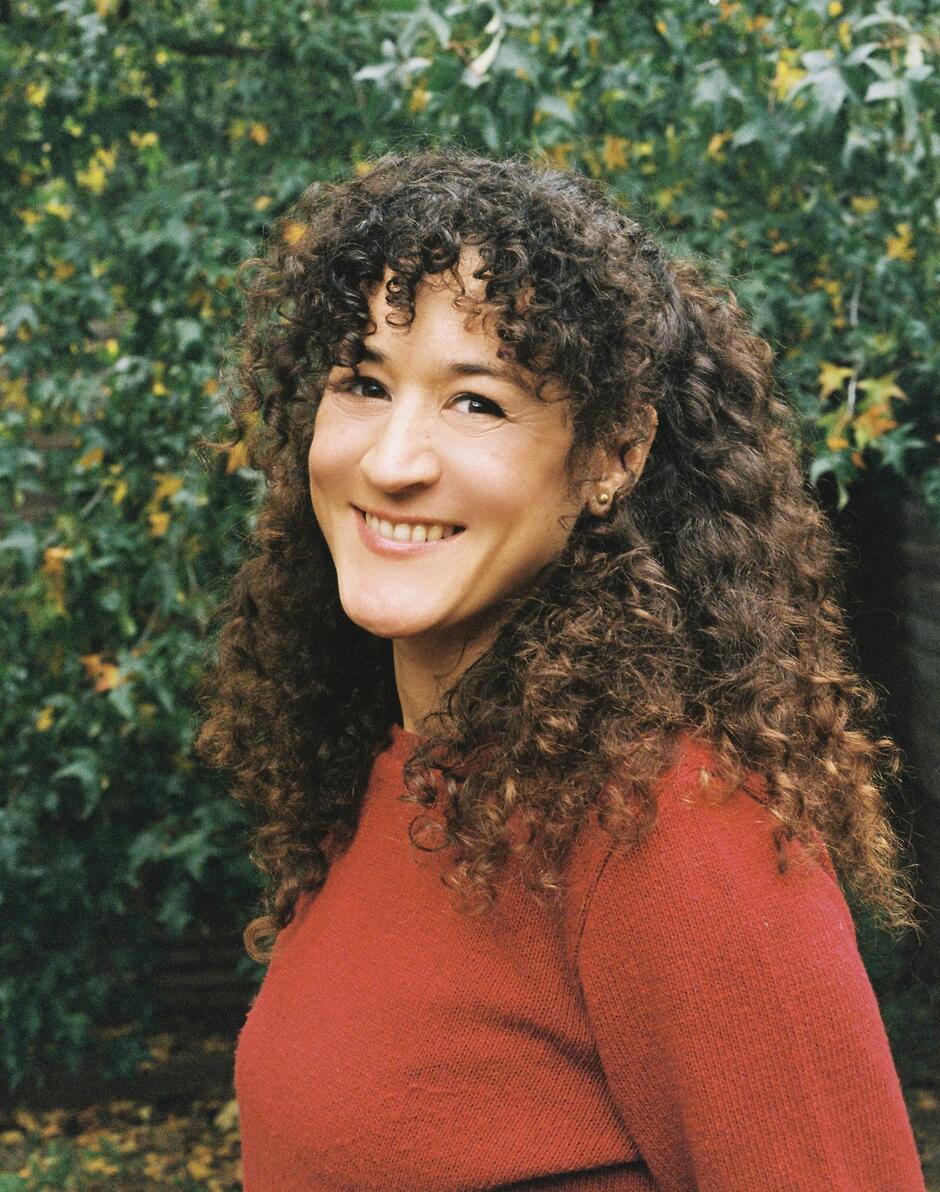
Konstantina Chrysostomou
Konstantina Chrysostomou is a social architect and worker-member at Estel Cooperative (www.plaestel.org), based in Spain and active across Europe. With over a decade of experience in cooperative urbanism, she works at the intersection of public space design, civic participation, urban pedagogy, and social transformation. Her practice focuses on creating inclusive, resilient urban environments through cooperative processes that connect citizens and institutions. She is deeply committed to democratizing urban decision-making at both local and regional levels. For her, the role of the city architect goes beyond designing spaces — it’s about listening, facilitating dialogue, and supporting communities in shaping the places they live in.
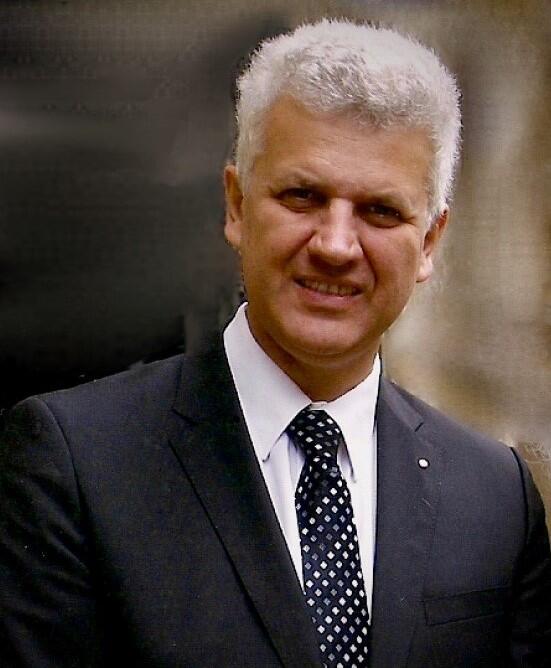
Borysław Czarakcziew
Architect and practicing professional. Until 2005, Borysław Czarakcziew served as the head of the company Miastoprojekt-Kraków. Since 2005, he has been a co-owner of GPP Grupa Projektowa.
Member of the Association of Polish Architects (SARP). In 2002, he was elected as the first Chair of the Małopolska Regional Chamber of Architects. From 2014 to 2022, he served on the National Council of the Polish Chamber of Architects (IARP), where he was responsible for international affairs.
Since 2009, he has represented Poland in the work of the Architects’ Council of Europe (ACE), currently serving as a member of the ACE Executive Board. He coordinates Area 3 – High-Quality Architecture & Built Environment / Baukultur.
He also represents the Polish Chamber of Architects in ENACA – the European Network of Architects’ Competent Authorities – an advisory body to the European Commission on the Directive on the Recognition of Professional Qualifications.
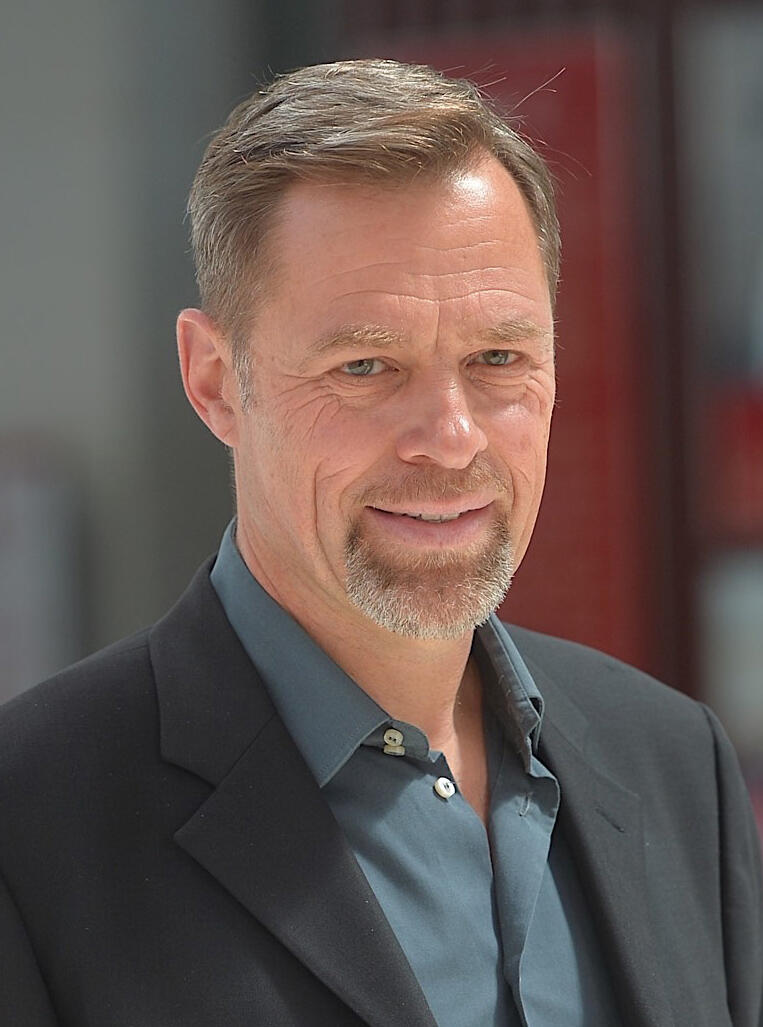
Frank D’Hondt
Frank is founding member and director of the Territorial Capital Institute, a knowledge-based platform to exchange theory and praxis of integrated territorial development and placemaking, drawing upon his experiences on localising the New Urban Agenda and the International Guidelines on Urban and Territorial Planning.
Frank has worked 15 years in the European Union, mainly on cross-border and transnational planning issues, followed by another 15 years outside the EU, including Kosovo, Palestine, Nepal, Afghanistan, Arab Emirates, Kenya, Myanmar, China, Japan, the Caribbean, Timor-Leste, The Gambia and Somalia. Frank is specialised in national urban policy, metropolitan planning, post-conflict/disaster planning and participatory visioning and placemaking. With UN-Habitat, Frank published a book on ‘Visioning as Participatory Planning Method’ and drafted the handbook for the implementation of the International Guidelines on Urban and Territorial Planning (IGUTP).
Frank contributed to several ISOCARP World Congresses, co-organised and reported UPATS in Gaza, Palestine and Whan, China, and also contributed to several ISOCARP Review publications.
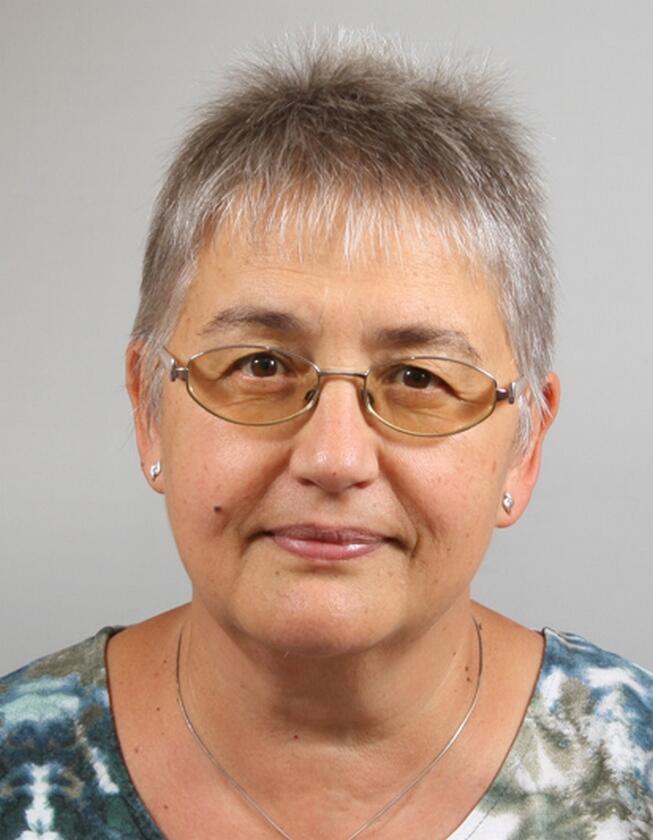
Elena Dimitrova
Elena Dimitrova, M Arch, PhD, is an associate professor at the University of Architecture, Civil Engineering and Geodesy in Sofia with over thirty years of teaching and research in urban policy, planning and design. Her professional expertise and research interests focus on the spatial and sociocultural aspects of sustainable development, participatory planning approaches, the interdisciplinary and intercultural dialogue on heritage as a factor for urban sustainability. She has been the Bulgarian team leader in several interdisciplinary European research projects, and the national representative in international academic and professional networks in the fields of urban development and planning, higher education and research, and cultural heritage preservation for sustainable development. Elena Dimitrova has been ICOMOS-Bulgaria member since 2005, and Vice-President (2011-2021); member of CIVVIH (International Scientific Committee on historic cities, towns and villages) since 2010, its Advisory Committee member (2018-2021) and Vice President (since 2021); the representative of ICOMOS-Bulgaria in ICOMOS SDG (Sustainable Development Goals) Working Group since 2019. She has been part of the Expert Group on European Quality Principles for EU-Funded Interventions with Potential Impact on Cultural Heritage, jointly developed by ICOMOS Europe and the European Commission (DC Culture and Education), adopted by ICOMOS International in 2021. Her involvement in the European Heritage Awards/Europa Nostra Awards process has been as a local assessor, member and chair of the selection committees on education and research, and a Jury member in 2024 and 2025.
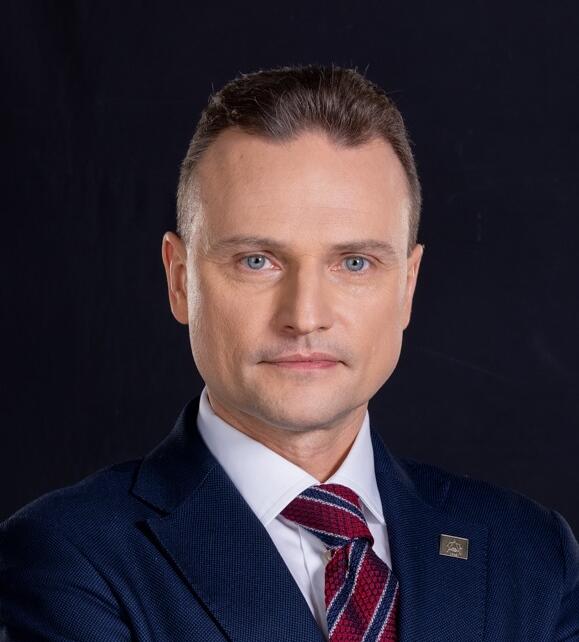
Michał Domińczak
Architect and urban-planner whose main field is the history of building law and urban regulations. Researcher and backer of New Urbanism. Author and co-author of many various architectural and urban projects, such as the revitalization of the city center of Łódź, the reconstruction of the medieval stronghold in Tum and the infrastructure for Polish special forces.
During his service as the Town Architect in Zgierz (2003-2005) he established "The Weavers Town” — the first cultural park in Poland. From 2005 to 2007 he served as the Municipal Heritage Conservator in Łódź.
He has been teaching at the Lodz University of Technology since 1998. Lecturer at the Gdańsk University of Technology and Poznań University of Technology.
Researcher at the School of Architecture at the University of Miami as the Fulbright Senior Award 2013-2014 grantee. Member of the Scientific Council of the Institute of Urban and Regional Development.
The organizer and the CEO of the Military Design Office (AMW Invest) subordinate to the Ministry of National Defense which is responsible among others for F-35 infrastructure, as well as for projects for GROM special forces.
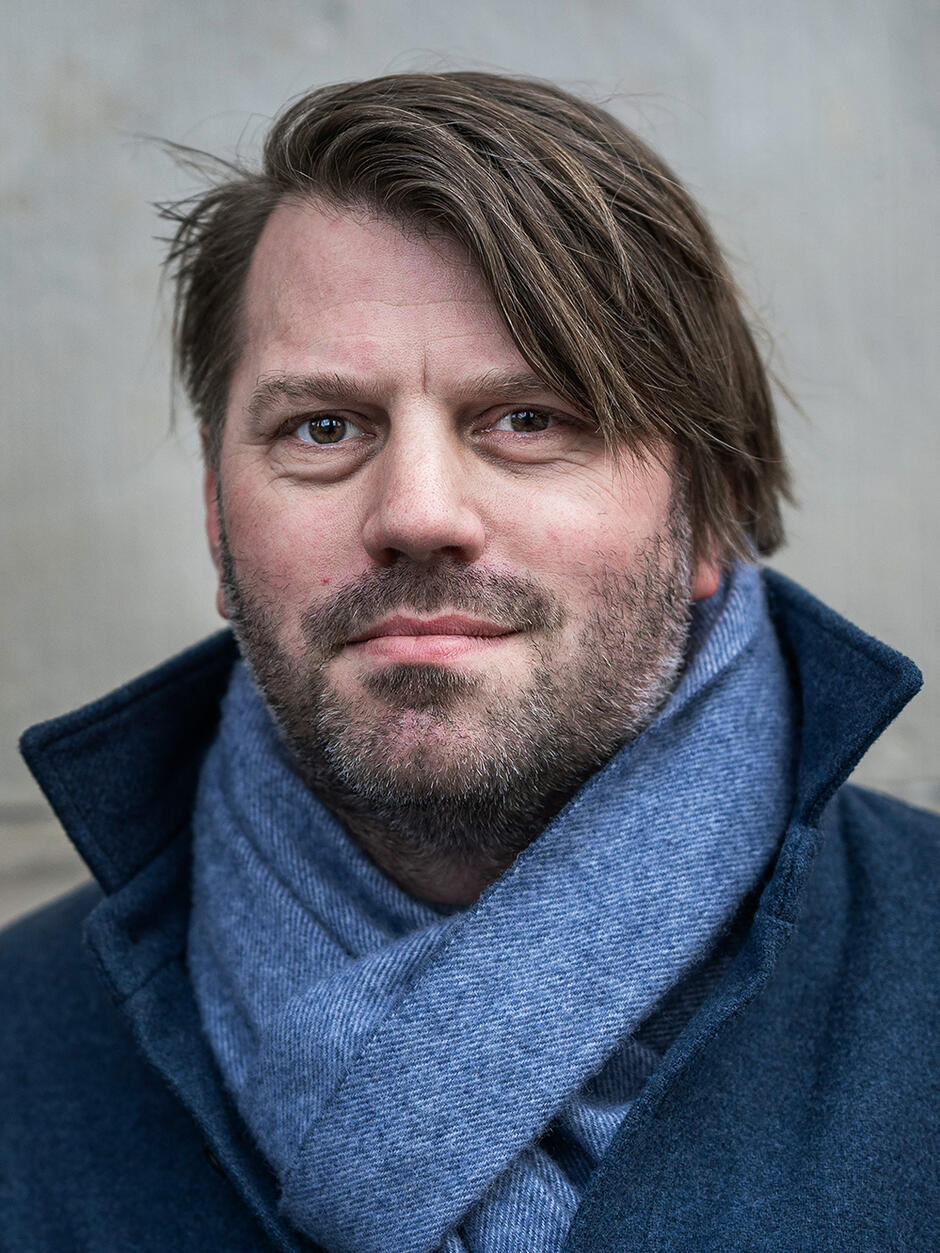
Michiel Van Driessche
Landscape architect and co- founder of Felixx Landscape Architects & Planners. As an experienced project leader of Felixx’s research and design team, Michiel monitors integrality and Nature-based Solutions during the design process. He is the point of contact for the client and leads working sessions with various stakeholders. With a strong focus on contemporary environmental issues, he does not shy away from breaking new ground and enjoys working with people who are curious about innovative and unconventional solutions. Michiel is often invited as key-note speaker and to give lectures at universities throughout Europe. With his motto ‘What would Nature Do?’ he will speak about the many NbS projects and design principles of Felixx all around the world. His design strategies from the guideline ‘New Space’, are currently being adopted by many municipalities when designing new outdoor spaces. Besides his work at Felixx, Michiel has also been appointed as the City Architect for Groningen since the beginning of 2024.
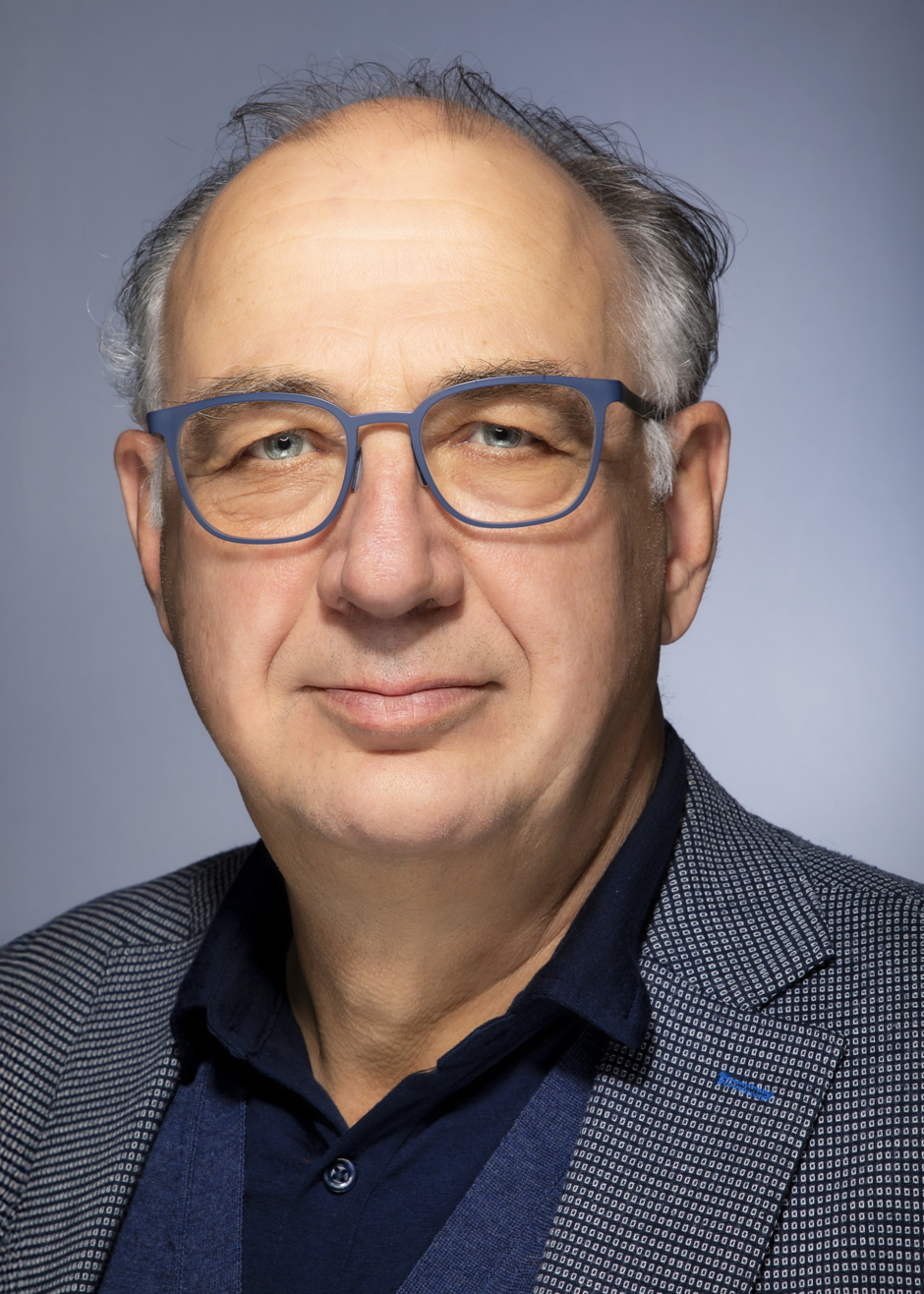
Martin Dubbeling
Martin Dubbeling is a senior spatial strategist, urban planner, and consultant with expertise in sustainable urban development. He manages complex projects in spatial planning, urban transformation, and landscape architecture in the Netherlands and abroad. In 2013, he founded Connecting Cities, a consultancy for sustainable urban and regional planning. Martin collaborates with experts across Europe and Asia on projects in both urban and rural areas. He has led key consultancy and design projects, particularly in the Netherlands and China. From 2011 to 2017, he was Vice President of Urban Planning Advisory Teams (UPATs) at ISOCARP and served as President from 2017 to 2021. Under his leadership, 12 UPAT teams advised cities and regions in China, Norway, Russia, Singapore, and South Africa. His work integrates strategic planning, collaborative design, and long-term spatial development.
Michał Duda
Historian, researcher, and promoter of contemporary architecture. He graduated in art history from the University of Wrocław and completed Curatorial Studies at the Jagiellonian University. He earned his PhD at the Poznań University of Technology.
He has been working at the Museum of Architecture since 2006: first as an assistant in the Department of Contemporary Architecture, then as Head of the Department for International Cooperation and Exhibition Organization, and later as Deputy Director for Program Affairs. Since July 2022, he has served as the Director of the institution. He is also Vice President of the Wrocław branch of the Association of Polish Architects (SARP).
He has curated and co-curated numerous exhibitions dedicated to pre-war and contemporary architecture, including Patchwork. The Architecture of Jadwiga Grabowska-Hawrylak (also presented in New York and Portugal), Landscapes of Leisure (shown at EXPO 2020 in Dubai), Greenhouse Silent Disco (Triennale Milano 2022), Three Beginnings: 1918/1945/1989, Terra X. Archive of the Future, Heinrich Lauterbach. Architect of Wrocław Modernism, Zvi Hecker. Pages of the Book, and Dagarama. Back to the Future.
Beate Engelhorn
Beate Engelhorn is Referent at the Federal Ministry of Housing, Arts, Culture, Media and Sport, Republic of Austria, Division IV – Arts and Culture, Dept. IV/B/4 Architecture, Baukultur, Monument protection und UNESCO-World heritage.
She was previously Director of the House of Architecture in Graz (2019-2024) and main curator of the Aedes Architecture Forum in Berlin (2006–2019) and the co-founder and director of the Suitcase Architecture gallery (2001–2005). She has taught at BTU Cottbus and worked as a practising architect in numerous offices, including on the refurbishment of the former Reichsbank for the Federal Foreign Office in Berlin with Professor Hans Kollhoff.
Ryszard Gruda
Ryszard Gruda (born 1951) is an architect, urban planner, designer, and former director of the Pomeranian Development Agency. He has served as an advisor to the Minister of Spatial Development and Construction, and between 1990 and 2002, he was three times Deputy Mayor of the City of Gdańsk. From 2014 to 2018, he was President of the National Council of the Chamber of Architects of the Republic of Poland. He has co-created numerous investment projects in Gdańsk and was awarded the Knight's Cross of the Order of Polonia Restituta for outstanding contributions to the democratic transformation in Poland.
Piotr Grzelak
Graduate of two faculties at the University of Gdańsk: Social Sciences and Economics,
Deputy Mayor of Gdańsk for Sustainable Development, previously elected twice as a City Councillor of Gdańsk, during which he served, among others, as Vice-Chair of the Spatial Development and Environmental Protection Committee,
Vice-President of the Union of the Baltic Cities,
President of the Polish Union for Active Mobility,
Chair of the Waste Management Team of the Union of Polish Metropolises,
Chair of the Urban Planning Committee of the Union of Polish Metropolises.
Sławomir Gzell
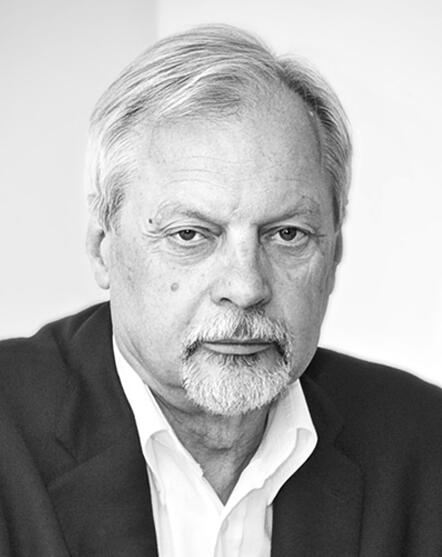
Tenured professor, dr habitlitatus, dipl. architect and town planner, Dr Honoris Causa of Poznań University of Technology. Head of Urban Design Chair and Rural Landscape on Warsaw University of Technology by many years. Honorary Head of Architecture and Town Planning Committee of Polish Academy of Sciences, member of Deutsche Akademie fur Staedtebau und Landesplanung DASL and member of ICOMOS. Many years deputy chairman of Main Advisory Commission to Ministry of Construction and member of Central Commission on Scientific Titles. Previously member of City Commission for Architecture and Town Planning in Warsaw and board of Society of Polish Town Planners. Author of many town planning and architectural projects and awarded competition entries. Author over 250 professional texts, few books included. Lectures on contemporary town planning at Faculty of Architecture WUT and in other schools of architecture, also abroad. Supervisor of 25 and opinion maker more than 60 doctors theses, supervisor over 150 master degree theses. City of Warsaw Councilman in `90.
Markus Hedorfer
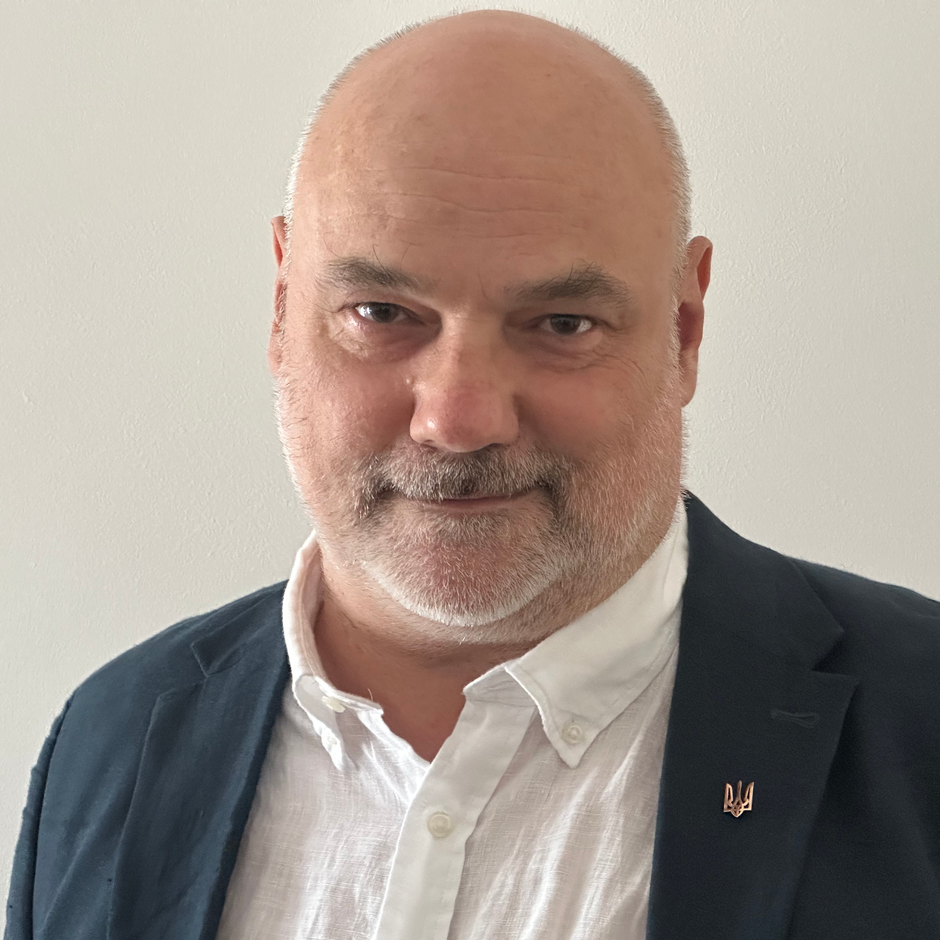
Registered spatial planner in Italy. Born and grown up in Southern Germany, in 1984 he moved to Venice, Italy where he graduated in Urban and Regional Planning at IUAV University, after completing a full-cycle five-year course. His professional activity started in the 1990s, which involved making plans, multicriteria evaluation, envi-ronmental planning in the Venice Lagoon, valorisation of Venetian historical military heritage in Venetia and the Eastern Mediterrane-an, reclamation of contaminated mega sites, feasibility studies, geo-spatial information science, cartography and remote sensing. In re-cent times, he is more and more focusing on vision and scenario building for metropolitan and urban contexts, as well as for structur-ally disadvantaged areas, paying much attention to nature restora-tion planning. He collected important work experience in Angola, Germany and of course Italy. During his first 10-15 years of activity, academic research and teaching, mostly at IUAV, occupied an im-portant position, too. In 2010 he co-founded HESC spatial consulting, a private planning and design firm based in Venice.
In 2002 he joined ASSURB, the Italian national association of pro-fessional spatial planners, which was founded in 1977 after the first graduation course in “urbanistics” was established in Italy in 1971. From 2004 to 2010 and again from 2016 he was/is member of its na-tional council, since 2017 he is one of its two delegates to the ECTP-CEU, and from 2019 to 2022 he was ASSURB’s president.
He is ECTP-CEU president for the current two-year period 2023-2025, was previously (2021-2023) its vice president and is the secre-tary-general elect for the four-year period 2025-2029. His main in-terests and activities at the ECTP-CEU are focused on promotion, strengthening and formal recognition of spatial planning as a distinct and robust profession in Europe. From 2018 to early 2022 he chaired an ECTP-CEU working group on migration and inclusion, which re-mains one of his main topics to this day. After the Russian aggression against Ukraine, he is particularly committed to supporting the Ukrainian colleagues in their post-war recovery planning efforts. On behalf of the ECTP-CEU he is participating in the “Rebuilding Ukraine” focus group within the Davos Baukultur Alliance of the World Economic Forum.
Martina Juvara
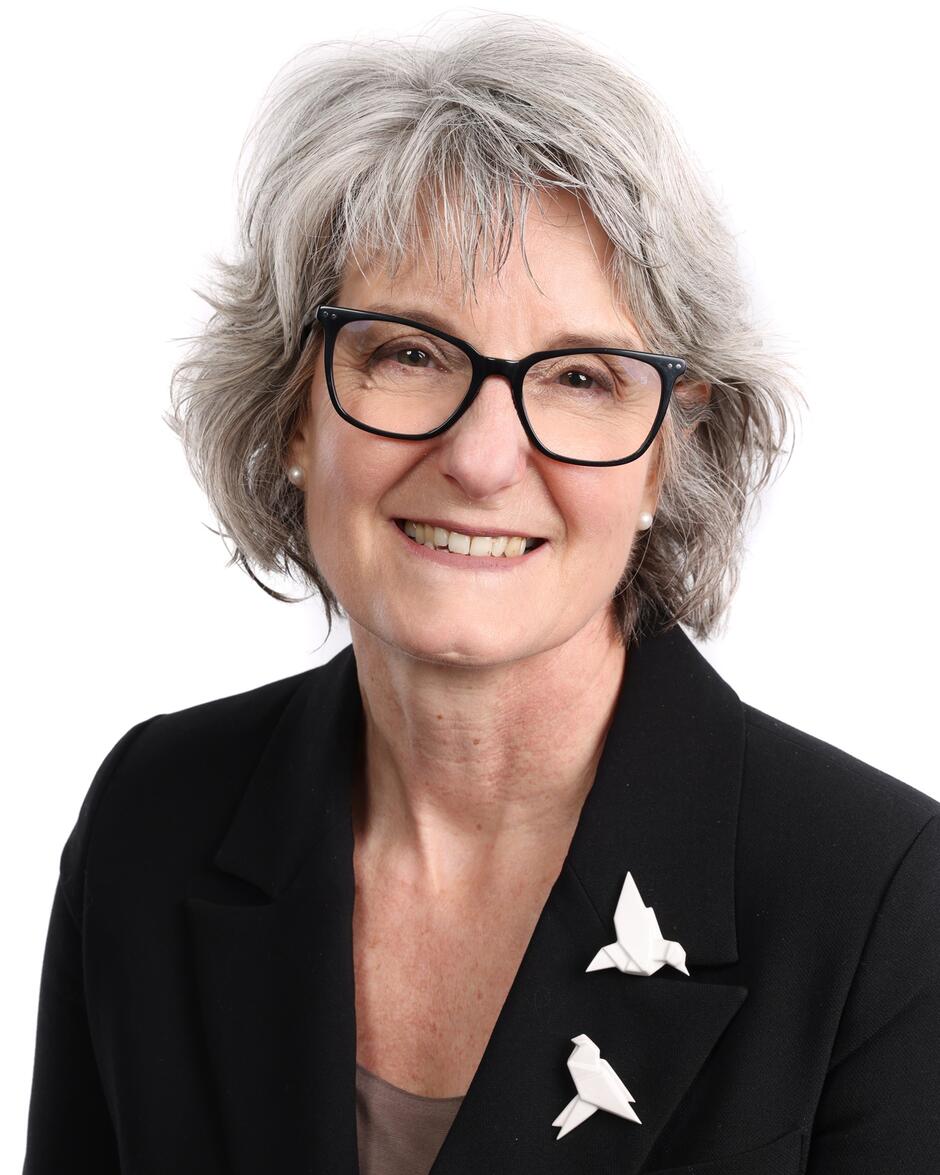
MARTINA is the director of urban strategy company URBAN Silence and one of the expert professionals of UNDP, the United Nations Development Programme, providing technical assistance to Riyadh Municipality. Her practice work is centred where there is large scale change and need for fresh design thinking at the crossroads of investment, infrastructure planning and social fairness. She is also a long-standing member of ISOCARP, the International Society of City and Regional Planners, and represented the Society at various COP meetings and UNFCCC activities. She is a recognised thought leader on innovation and climate action, advocating systemic change to prepare cities to future challenges either through professional work, activities and outreach.
In her professional practice, she works for international agencies, governments and cities in the UK, South Mediterranean and Arabic region, preparing programmes of change involving strategic spatial planning, improved governance and identification of key interventions that can have transformational impact.
Laura Kairienė
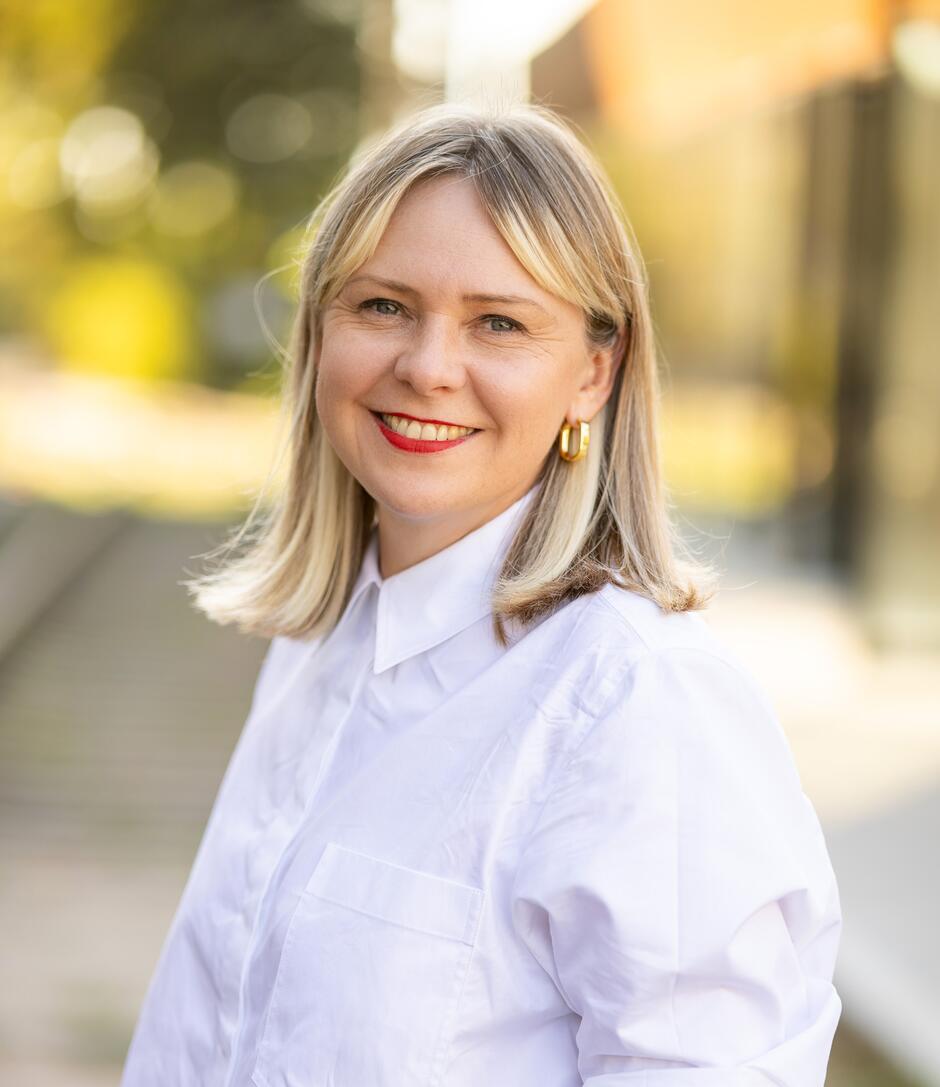
Chief Architect of Vilnius, leading the city’s strategic urban planning with a focus on sustainable, inclusive, and human-centred development. With over two decades of experience in architecture, urban planning, and development, she is recognised for transforming complex urban challenges into holistic, future-oriented solutions that balance growth, liveability, and climate responsibility.
At the helm of Vilnius’s Urban Design Bureau, Laura oversees general planning, territorial development, and major strategic projects. She champions citizen participation, co-creation, and cross-sector collaboration to ensure that architecture serves both people and place. Her work bridges spatial design with policy, infrastructure, and culture—grounded in the belief that sustainability is not just a goal, but a way of thinking.
Laura has been instrumental in shaping key urban frameworks such as the Urban Hill Guidelines and the Šnipiškės Wooden Quarter Concept and Building Renovation guidelines. She is interested in working with historical urban fabrics in collaboration with institutions and communities, reinterpreting them in ways that respond to modern lifestyles and social dynamics.
A strong advocate for urban aesthetics, Laura is leading the implementation of a City Brand Book for Vilnius, with a focus on the visual identity of public spaces - integration of small architectural elements, signage, street art, public installations, advertising and street design.
Laura has played a key role in architectural competitions, public engagement initiatives, and the international representation of Vilnius. Prior to her current role, she held leadership positions in both the public and private sectors, including Head of Development at BE Live and CEO of creative organisations. She serves on the boards of ID Vilnius and Ramintoja and is an active voice in Lithuania’s urban transformation.
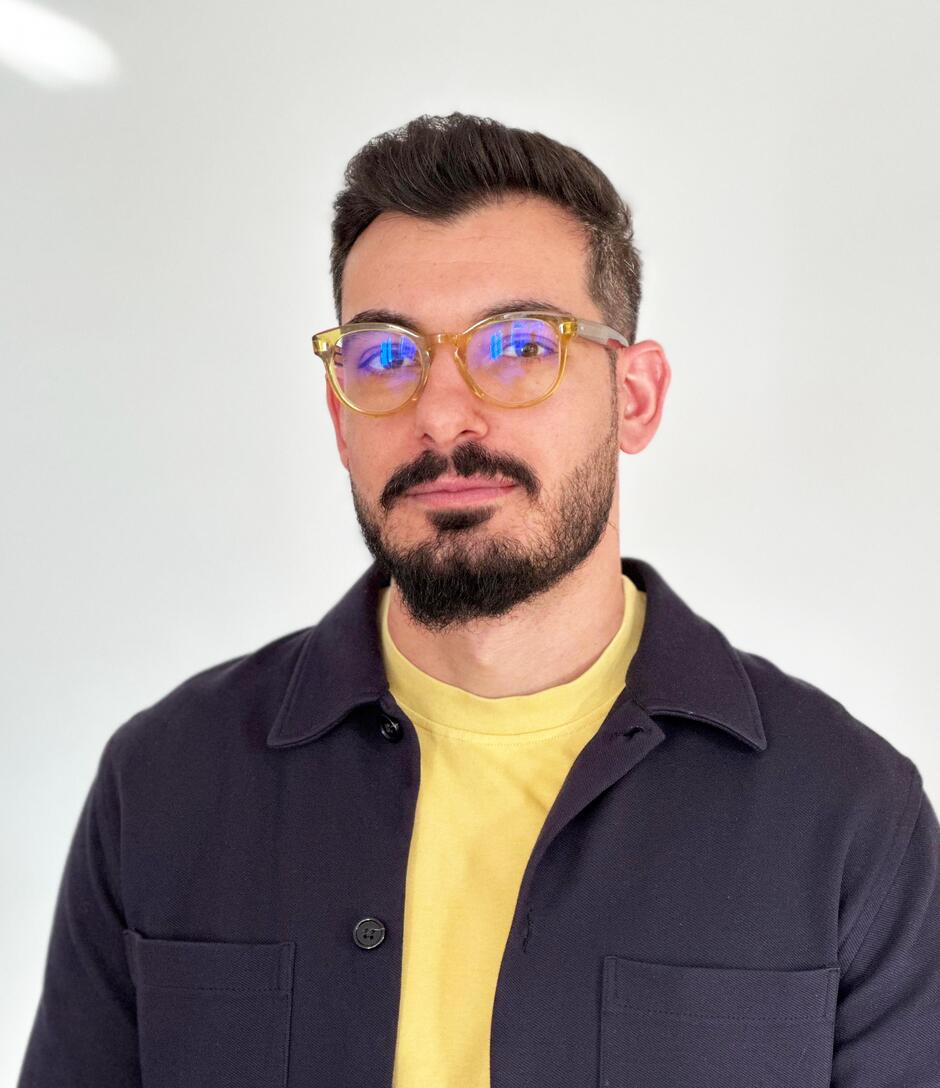
Bahaa Bou Kalfouni
Architect and urban planner. He is currently a Ph.D. candidate at Gdańsk University of Technology (GUT). His academic focus centers on the sustainable transformation of degraded urban areas. Bahaa is a member of the International Society of City and Regional Planners (ISOCARP) and the Union of Mediterranean Architects (UMAR). Between 2011 and 2024, he volunteered as an architect in several humanitarian crises. His work bridges academic research and practical design solutions. He collaborates closely with professionals, local communities, and public authorities. His approach emphasizes equity, inclusion, and cultural sensitivity in urban development.

Jutta Kastner
As Policy Officer at the European Commission's Directorate-General for Education, Youth, Sport and Culture, Jutta Kastner advances EU cultural policy with a focus on high-quality living environments and a shared culture of architecture across Europe. She coordinates key initiatives such as the European Prize for Contemporary Architecture / Mies van der Rohe Awards (EUmies Awards) and the Living Spaces initiative, which explores how cities and regions shape inclusive, sustainable built environments.
With deep expertise in EU programmes including Creative Europe, Horizon Europe, and Erasmus+, Jutta Kastner's work promotes environmental sustainability within the cultural and creative sectors. She also led the flagship study “How Creative Europe aims to go green”, which examines how the programme fosters climate-conscious cultural action.
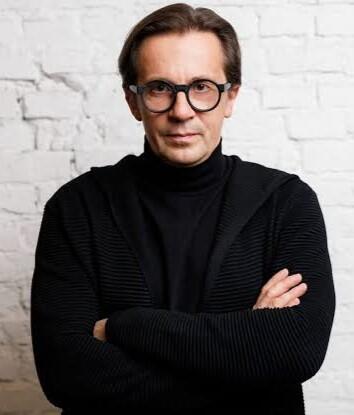
Tomasz Konior
Architect and urban planner. Graduate of the Faculty of Architecture at the Cracow University of Technology. In 2019, he defended his doctoral thesis entitled "The Evolution of Public Spaces in Buildings for Music." Since 1995, he has been running his own architectural office, Konior Studio. He is the author of over 200 buildings, mainly for public use. He is particularly recognized for his projects related to music, including the Science and Music Education Centre "Symfonia" in Katowice, the headquarters of the National Symphony Orchestra of the Polish Radio in Katowice, with its large concert hall recognized by the ECHO organization as one of the best in Europe, the Music School Complex in Warsaw, and the Philharmonic in Brno. Currently, after winning a competition in 2021, he is designing the New Campus of the Academy of Music in Krakow. His latest, award-winning project is the new reading rooms of the National Library in Warsaw, which received, among others, the Grand Prix in the Warsaw Mayor's Architecture Award competition and a nomination for the European Mies van der Rohe Award for Architecture. Tomasz Konior has received over 80 architectural and individual awards. Notable distinctions include: the Leonardo Award (2007), the International Union of Architects Award (2008), the SARP Award of the Year (2008), the Zygmunt Majerski Medal (2010), the Silver Medal for Merit to Culture Gloria Artis (2014), Iconic Awards, IDA Awards, A’ Design Award (2021).
He is a member of the Polish Chamber of Architects (Izba Architektów RP) and the Association of Polish Architects (SARP). In the 2012-2015 term, he served as the Chairman of the Jury Coordination Team at the SARP Main Board. He is a co-founder of the Institute of Contemporary City. He is involved in social initiatives for environmental protection (LIBRA Association) and the promotion of music (Katowice Natura Kultura Association).
He is passionate about cities and classical music. A cat lover.
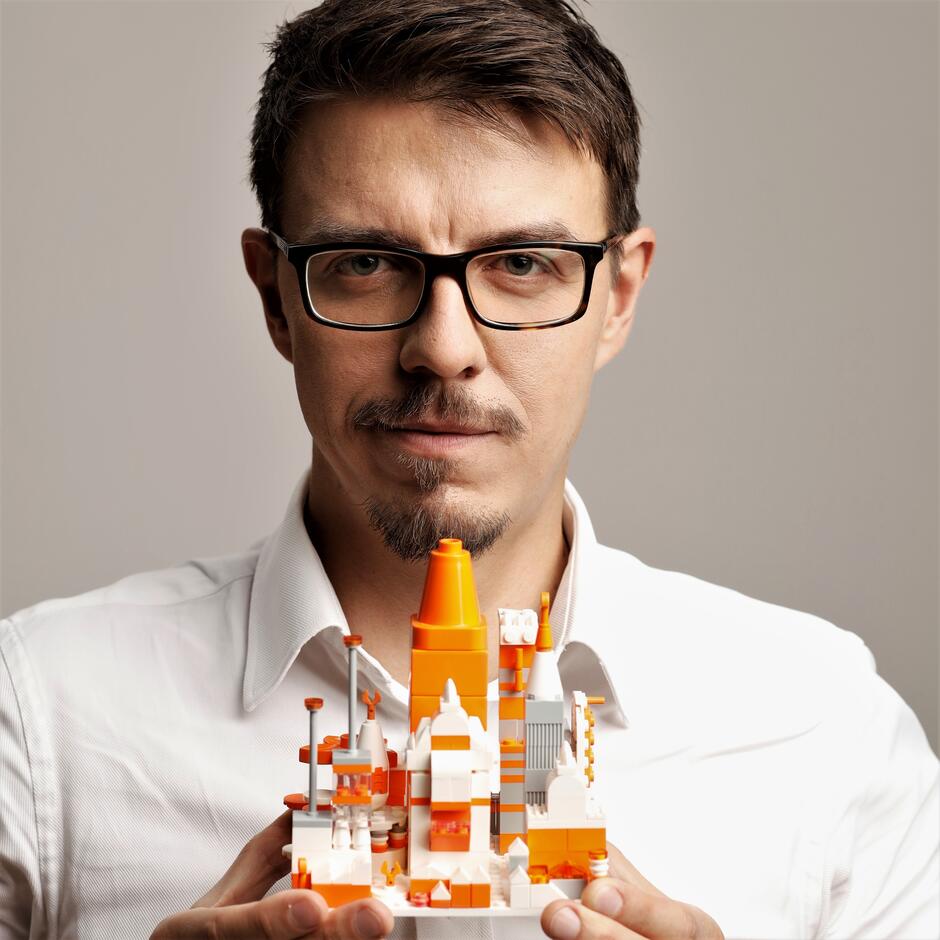
Kamil Kowalski
Recipient of, among others, the Silver Cross of Merit, the Minister of Infrastructure Award, and the Centennial Medal of the Academy of Fine Arts in Warsaw.
An expert in universal design and architectural accessibility, leading research projects on accessibility in fields such as cinematography, education, and commercial facilities. An auditor (with over 1,500 architectural audits conducted) and consultant on projects related to the design of equipment, transport, and public space furnishings.
Expert at the National Centre for Culture in the steering committee of the “Development of Cultural Infrastructure” program (2012–2014) and member of the team working with the Ministry of Infrastructure and Construction on building code amendments (2016–2017). Juror in competitions such as the Accessibility Leader (since 2016), Good Design (since 2020), Young Design (2025), and member of the Accessibility Council (since 2020).
Co-founder of the Accessibility Forum, the largest event in Poland dedicated to universal design, bringing together public entities, experts, designers, architects, managers, investors, and manufacturers.
Author of publications on universal design, including:
– ABC of the Specialist: Design Regulations and ABC of the Specialist: Sanitary Facilities (in Architektura Murator. Architect’s Workshop 12/2016)
– State of Building and Safety Infrastructure in Museums. Report (NIMOZ 2016)
– Switch (Fundacja Integracja, Warsaw 2017) and Switch 2.0 (Fundacja Integracja, Warsaw 2024)
– WITHOUT BARRIERS. Festivals and Other Outdoor Events Accessible to Everyone (co-author, Warsaw 2024).
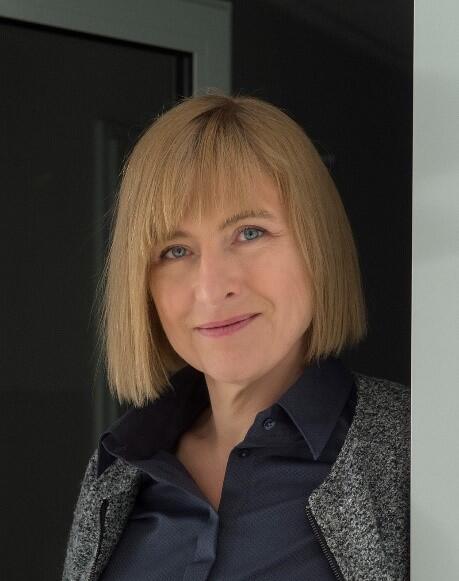
Magdalena Kozień-Woźniak
Professor, architect, Dean of the Faculty of Architecture at Cracow University of Technology, Poland. Her scientific activities and creative professional interests are closely related to her teaching and popularization work. The most important problems that she addresses in her work are related to the architectural design of contemporary museum and theatrical buildings. She has participated in national research projects on the architecture of contemporary public buildings, international teaching and research programs and scientific conferences. She is an author of a monography “Theatres of Interference. Contemporary Theatre Architecture and the Informal Space of Theatre”. She is a partner in an architectural office Kozień Architekci. Together with the team, she is a laureate of a number of awards and distinctions in architectural competitions. The National Muzeum in Przemyśl was nominated for the Mies van der Rohe Award 2008. The Capitol Theater in Wrocław won the Beautiful Wrocław 2013 Grand Prix. The Gallery BWA in Nowy Sącz was recognized as the best building of Nowy Sącz in the first decade of the 21st centuryThe Visitor Service Centre of the Memorial and Museum Auschwitz-Birkenau was honoured with the SARP Award of the Year 2024 in the category of architecture in the field of heritage. She was a member of the Council of Scientific Excellence in Poland 2020-2024. She is a member of the Committee for Architecture and Urban Planning of the Polish Academy of Sciences, the Scientific Council of the Association of the Carpathian Euroregion Poland, the Gdansk Council for Architecture, the Scientific and Technical Council for the Construction of the Metro in Cracow, Municipal Commission for Urban Planning and Architecture in Cracow.
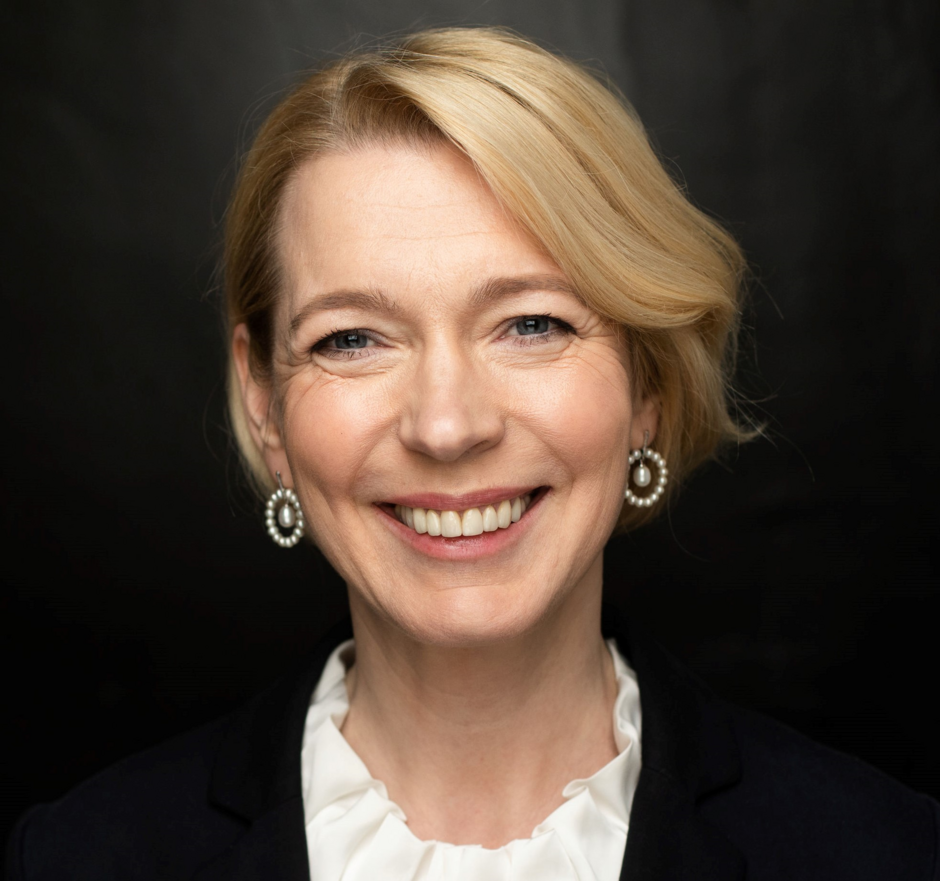
Anda Kursisa
Latvian architect, energy expert, and certified architectural solutions specialist with extensive experience in sustainable architecture, public procurement, and professional practice. She currently serves on the Board of the Architects’ Council of Europe and the Latvian Association of Architects, where she focuses on architectural policy, education, and procurement. Since 2005, she has led her own firm, virtu, managing architectural, restoration, and planning projects.
Her career includes advisory roles for the Latvian Ministry of Environment and international organizations on green building policy and energy efficiency. She holds master’s degrees in Architecture (Riga Technical University), Business Administration (Riga Business School), and Future Building Solutions (Danube University Krems). Anda is an advocate for sustainable construction and has participated in numerous international conferences and training programs in the field.
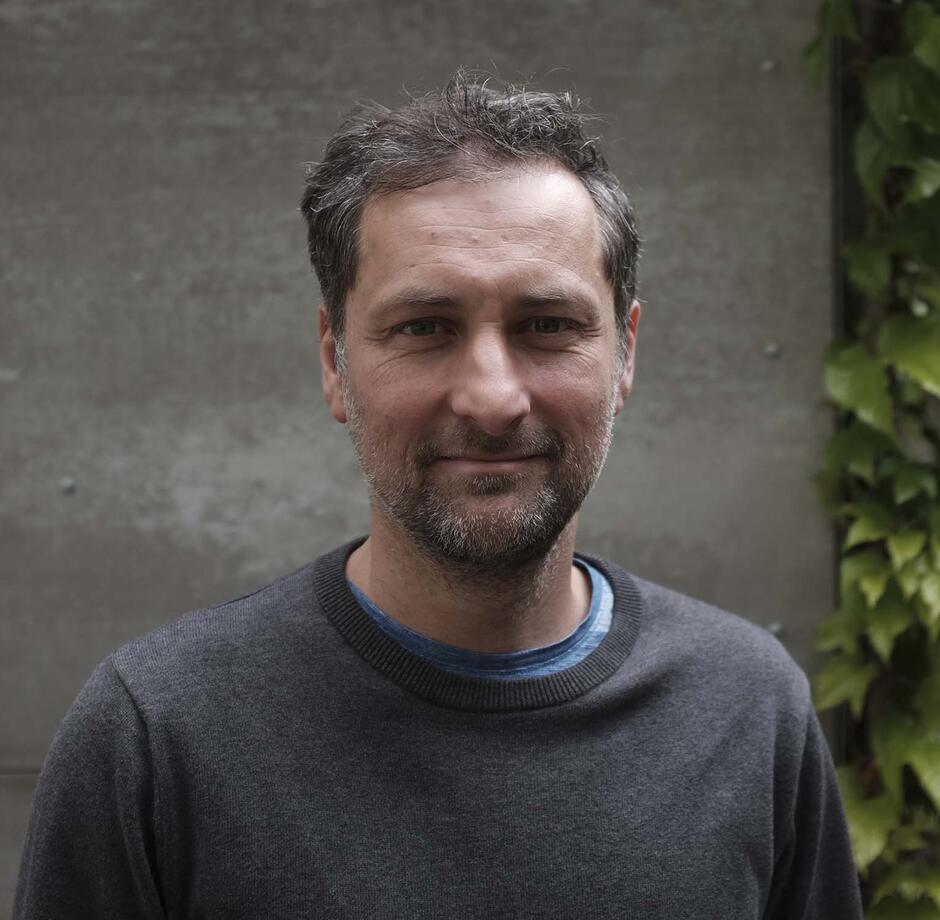
Petr Lesek
2st Vice-Chairman of the Czech Chamber of Architects.
In the CCA he focuses on architectural competitions, public procurement, Architecture Policy, municipal architects, housing and sustainability.
He is a founding member and partner of the architectural firm Projektil architekti. Projektil architekti designed a number of awarded public and private buildings and spaces in the Czech Republic. Among others, the National Technical Library in Prague, the Study and Research Library in Hradec Králové and the Sluňákov Center for Ecological Activities in Olomouc.
He is PhD graduate of the Faculty of Architecture of the Czech Technical University in Prague (doctoral thesis on the topic of municiapl architecst in towns and small cities in the Czech Republic).
He co-organizes conferences on the topic of municipal architects in small cities and towns and has established a map of municipal architects in the Czech Republic within the web page of the Czech Chamber of Architects.
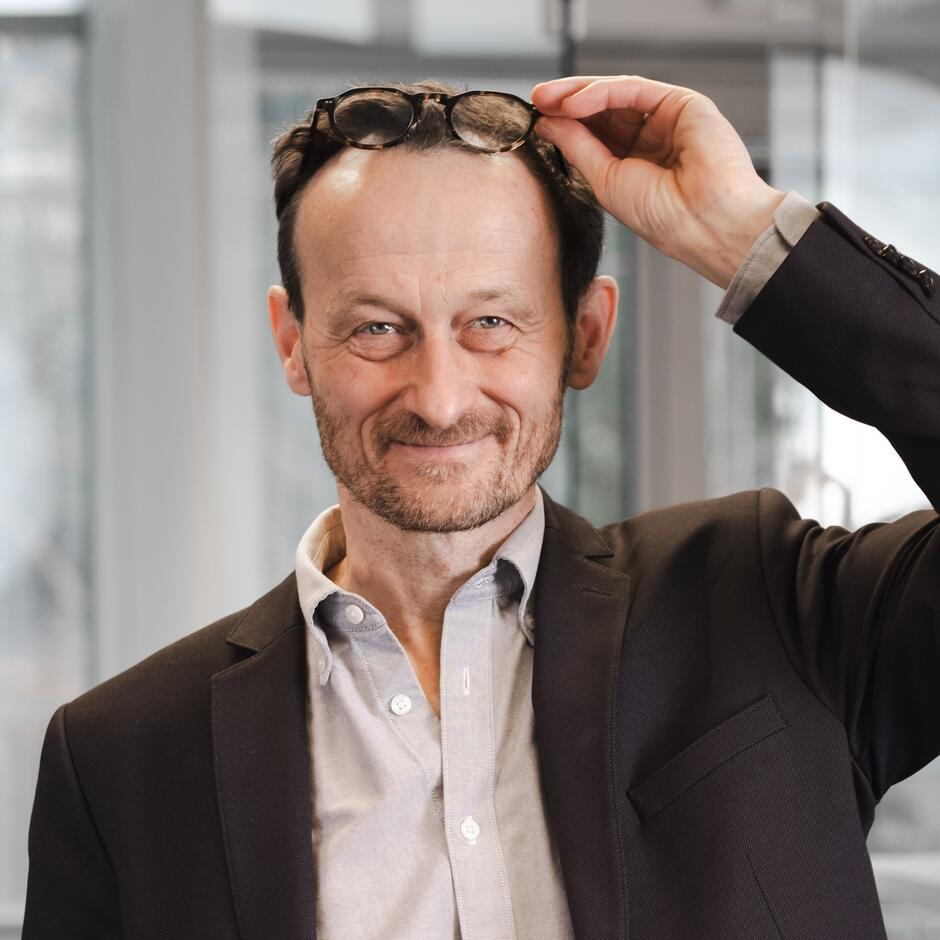
Michał Leszczyński
Partner in an architectural practice and CEO of Grupa 5 Architekci, co-author of over 900 projects, including 90 completed buildings for residential, office, collective housing, public utility, education, and healthcare functions.
Lecturer at the Faculty of Civil Engineering and Architecture at Lublin University of Technology, supervisor of engineering and master’s theses. PhD engineer-architect, teaching at the Faculty of Architecture at Gdańsk University of Technology.
Recipient of numerous national and international architectural awards. Winner of the Grand Prix in the SARP Yearly Award competition (2018) for the Faculty of Radio and Television building at the University of Silesia in Katowice. Winner of the Grand Prize at the 2020 Brick Award World Edition in Vienna for the WRiTV headquarters in Katowice. First prize winner of the MIPIM Award 2020 in Paris in the BEST MIXED-USE DEVELOPMENT category for the Monopolis complex in Łódź.
In 2019, nominated for the European Union Prize for Contemporary Architecture – Mies van der Rohe Award in Barcelona for the WRiTV headquarters in Katowice. In 2021, nominated for the same award for the Gurewicz Sanatorium project in Otwock.
In 2024, winner of the first prize Bryła Roku (Building of the Year) for the Lakeside office building at the Property Design Awards.
Member of the Gdańsk Architecture Council since 2021.
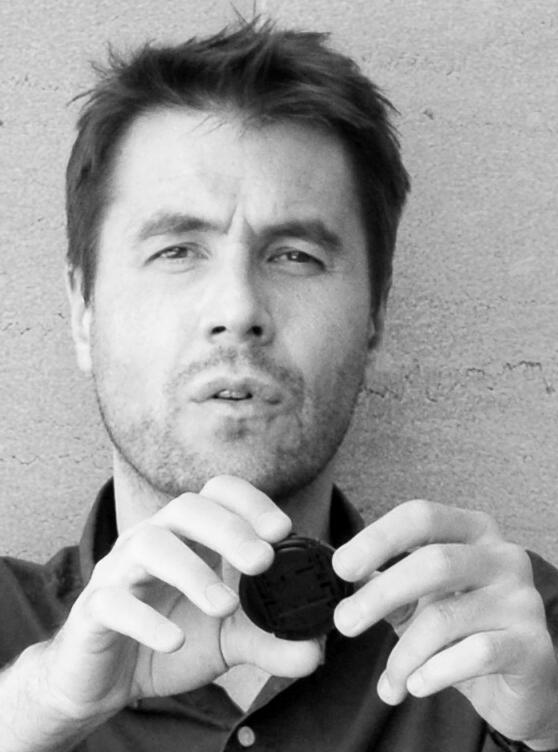
Piotr Lewicki
After graduating from the Faculty of Architecture of the Krakow University of Technology in 1990, he completed his doctoral thesis in 1999. From 1992 to 1999 he taught in the University’s Institute of Urban Design and, from 2003 to 2009, in the the Faculty of Architecture and Fine Arts of the Krakow Frycz Modrzewski Academy. He is a member of the Association of Polish Architects (SARP), the Polish Chamber of Architects (IARP) and the Urban and Architectural Committee of the Krakow Municipality (MKU-A).
Piotr Lewicki is a co-owner of the studio Biuro Projektów Lewicki Łatak. The company, founded in 1995 by Kazimierz Łatak (born 1962) and Piotr Lewicki (born 1966), is the winner of numerous awards and distinctions, including the Krakow competitions for the redevelopment of the Ghetto Heroes Square, Princes Czartoryski Square, Nowy Square, Wolnica Square, for the design of the Cracovia Centennial Hall with the Disabled Sports Center, the Kazimierz-Ludwinów pedestrian and bicycle bridge, and the Busko Zdrój footbridge. They are also the authors of, among others, a multi-family apartment complex Corte Verona in Wrocław, the Flyspot Wind Tunnel in Mory near Warsaw, the remodelling of the Princes Czartoryski Museum in Krakow, and recipients of the most prominent architectural awards in Poland, including the Annual Award of the Minister of Culture and National Heritage in 2018 and the most important one – the Association of Polish Architects (SARP) Honorary Award in 2018.
Designed by the architects, The Cracovia Centennial Hall with the Disabled Sports Center in Krakow was the recipient of the SARP Grand Prix Award of the Year 2019, the Grand Prix of the "Polityka" Weekly Magazine Architectural Award for 2018, a distinction of the International Paralympic Committee in Cologne and many others. The remodelling of the Princes Czartoryski Museum in Krakow received the same SARP Grand Prix Award of the Year 2020, the apartment complex Corte Verona in Wrocław has won, among others, the Grand Prix in the competition "Beautiful Wrocław" (2011), while the redevelopment of the Ghetto Heroes Square in Krakow received Gold in the Urban Quality Award 2011 competition organized by Eurohypo AG (Frankfurt am Main) and the European Prize for Urban Public Space in Barcelona (2006).
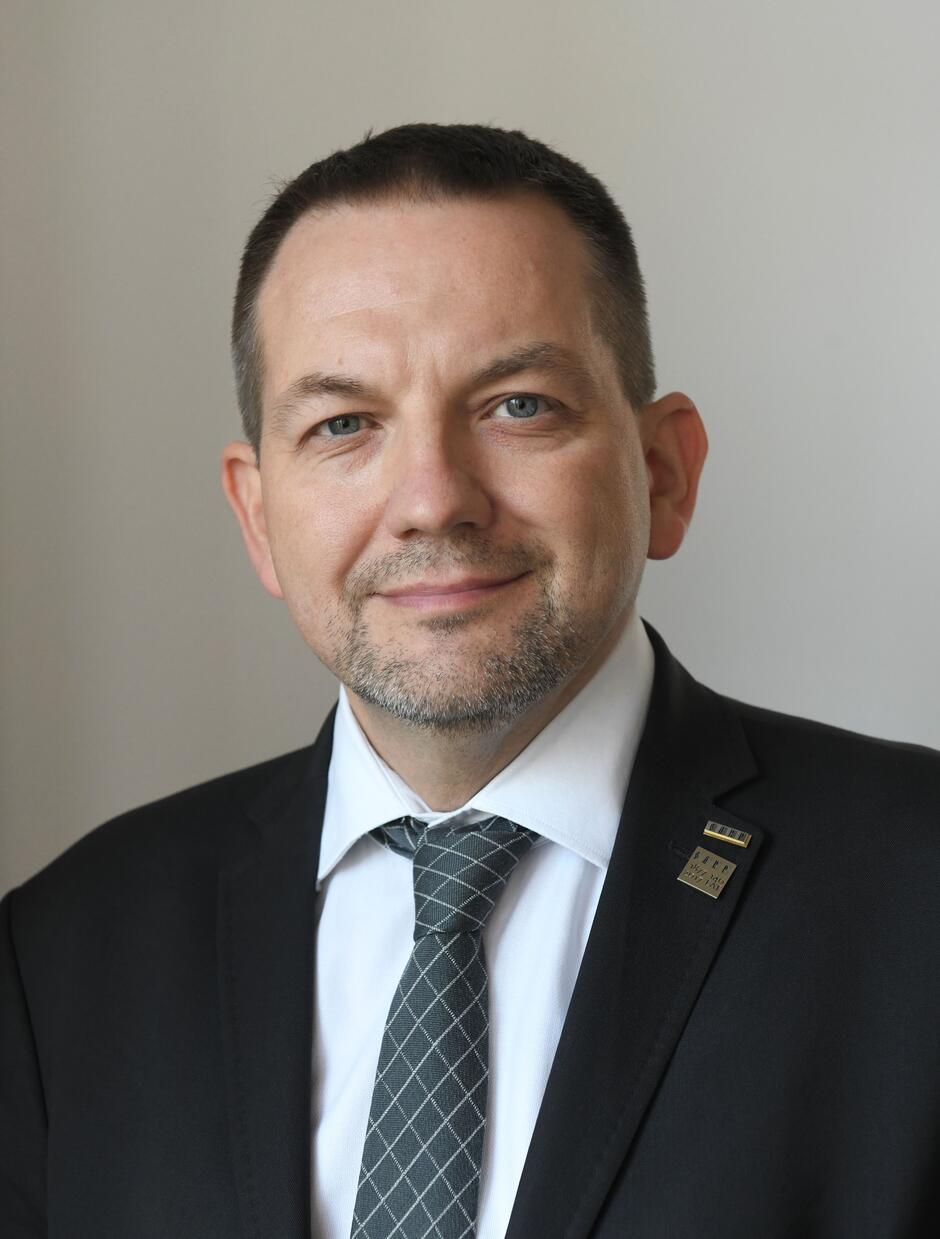
Bohdan Biś Lisowski
M.A. in Architecture at Cracow University of Technology (1994), studies at Bauhaus University Weimar, IUAV Venice, ETH Zürich, academic teacher since 1996 (Cracow University of Technology, Cracow Academy of Fine Arts, Andrzej Frycz Modrzewski Krakow University), owner of Biś Computers (Autodesk Authorized Training and Certification Center) providing CAD and BIM training and ICDL and Autodesk certification.
Member of the Association of Polish Architects (SARP), the Association of Art Historians, the Polish Information Processing Society, the Working Group on BIM at the Ministry of the Economy Development and Technology, Signatory of the BIM Standard PL Declaration.
Involved in the architectural community since 1999, among others co-organisation of exhibitions on the architecture of Małopolska Region, including the one presented at the Esplanade of Solidarity next to the European Parliament in Brussels (2014), the organization of the International Biennale of Architecture (MBA) Krakow 2015 "Human Dimension of Urban Space" and MBA Krakow 2017 "Backyard – field of imagination" and the next MBA Krakow 2019 "Connections – the town and the river" at the ICE Congress Center, co-organization of more than a dozen architectural competitions in 2013-2019.
President of SARP Krakow Branch (2013-2019), Secretary of SARP Governing Council (2015-2019) President of SARP (2019-2022). Member of the Social Committee for the Restoration of Krakow Monuments, Council of the National Museum in Krakow, International Union of Architects (UIA) Council Member Region II (2021-22). President of the Polish Architecture Council.
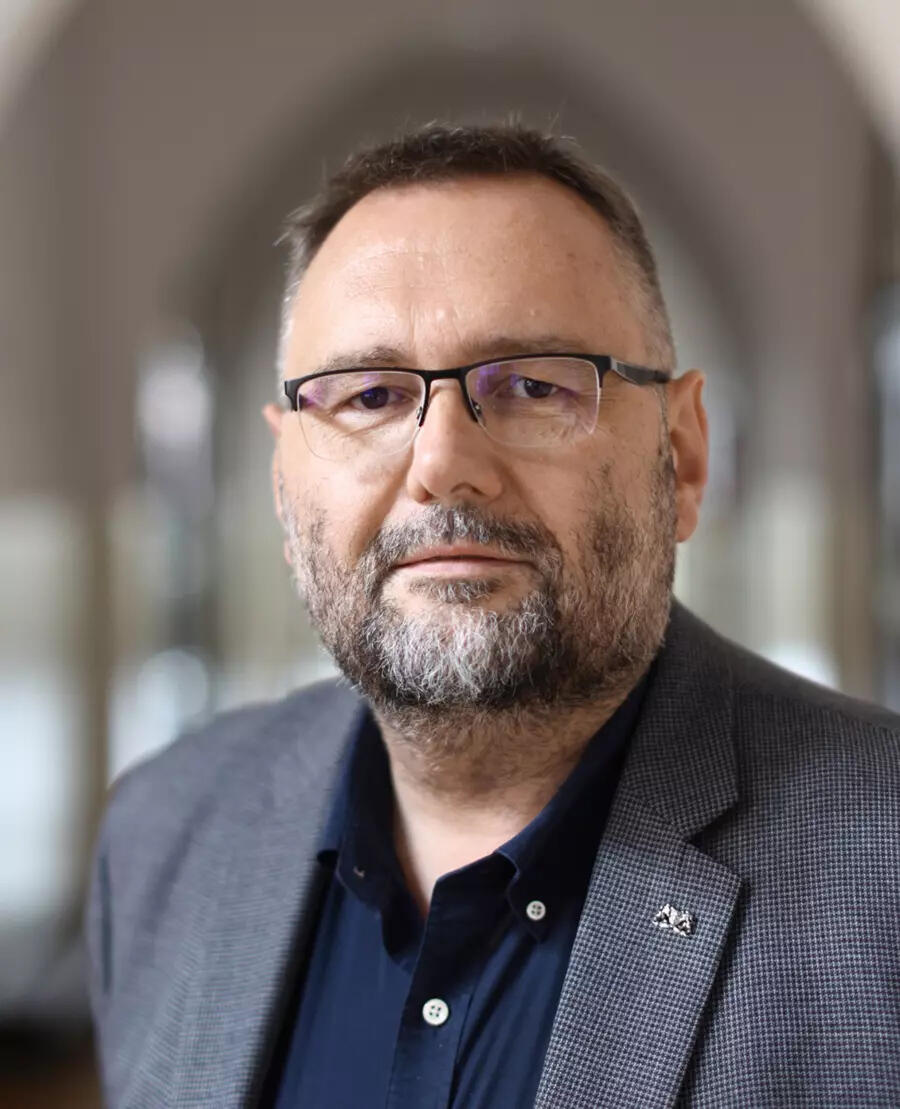
Piotr Lorens
Head of the Department of Urban and Regional Planning at the Faculty of Architecture, Gdansk University of Technology and - since 2021 - Architect of the City of Gdansk. Fulbright scholar, actively involved in the work of scientific committees (including within the structures of the Polish Academy of Sciences) and professional associations (including ISOCARP, TUP, ICOMOS and TICCIH). He also works on the planning and implementation of various urban planning projects and undertakings, primarily related to urban transformation and renewal.
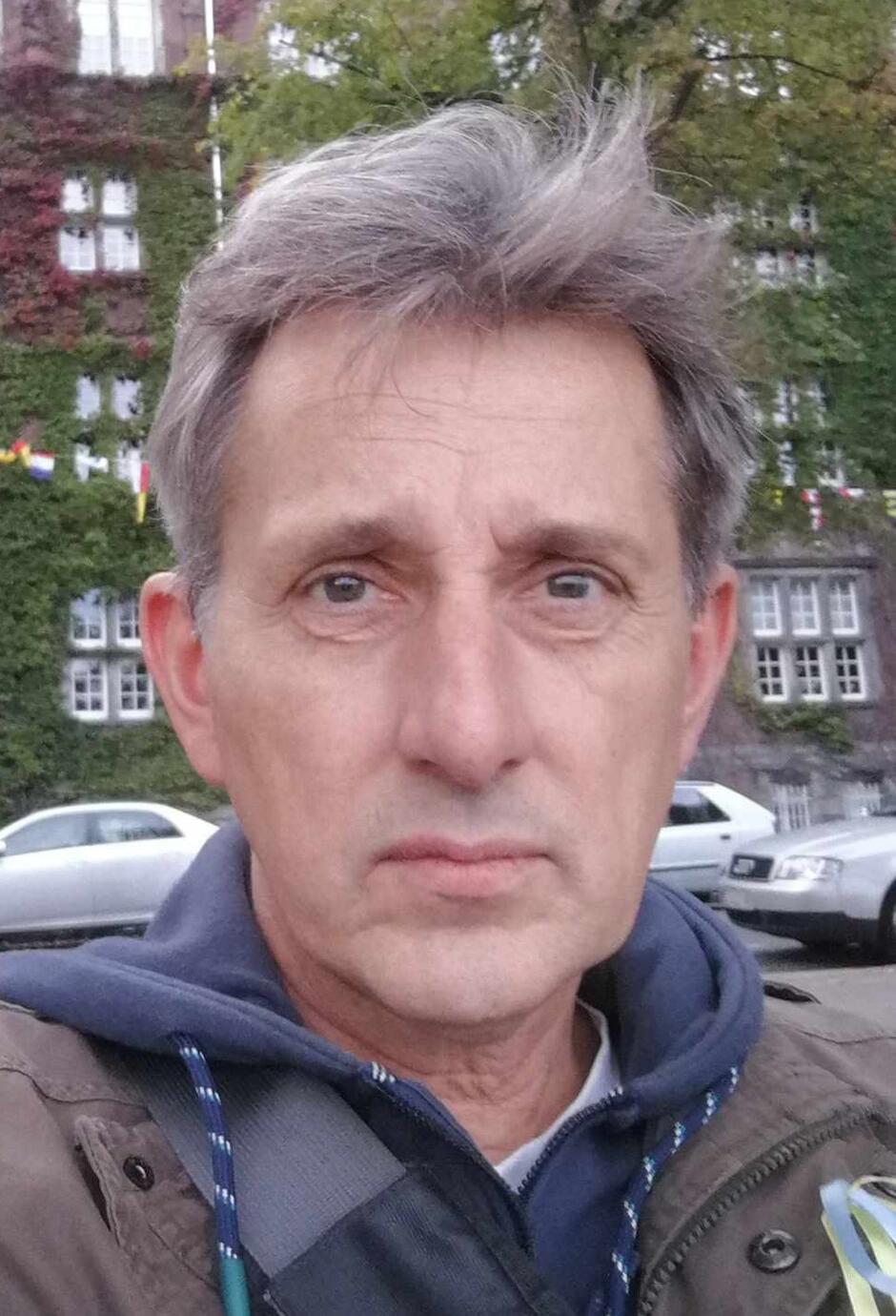
Bartosz Macikowski
President of the District Council of the Pomeranian Chamber of Polish Architects. Assistant Professor at the Department of History, Theory of Architecture and Conservation of Monuments at the Faculty of Architecture of the Gdańsk University of Technology. His research interests focus on 19th and 20th century architecture. Architect, specializing in designing in historical and historic environments. Member of the Voivodeship Urban Planning Commission at the Pomeranian Voivode. Participant of international scientific and educational projects in the Baltic Sea Region. Organizer of conferences and numerous activities integrating the professional and academic architectural community. Popularizer of architectural science and education, finds fulfillment in working with academic youth.
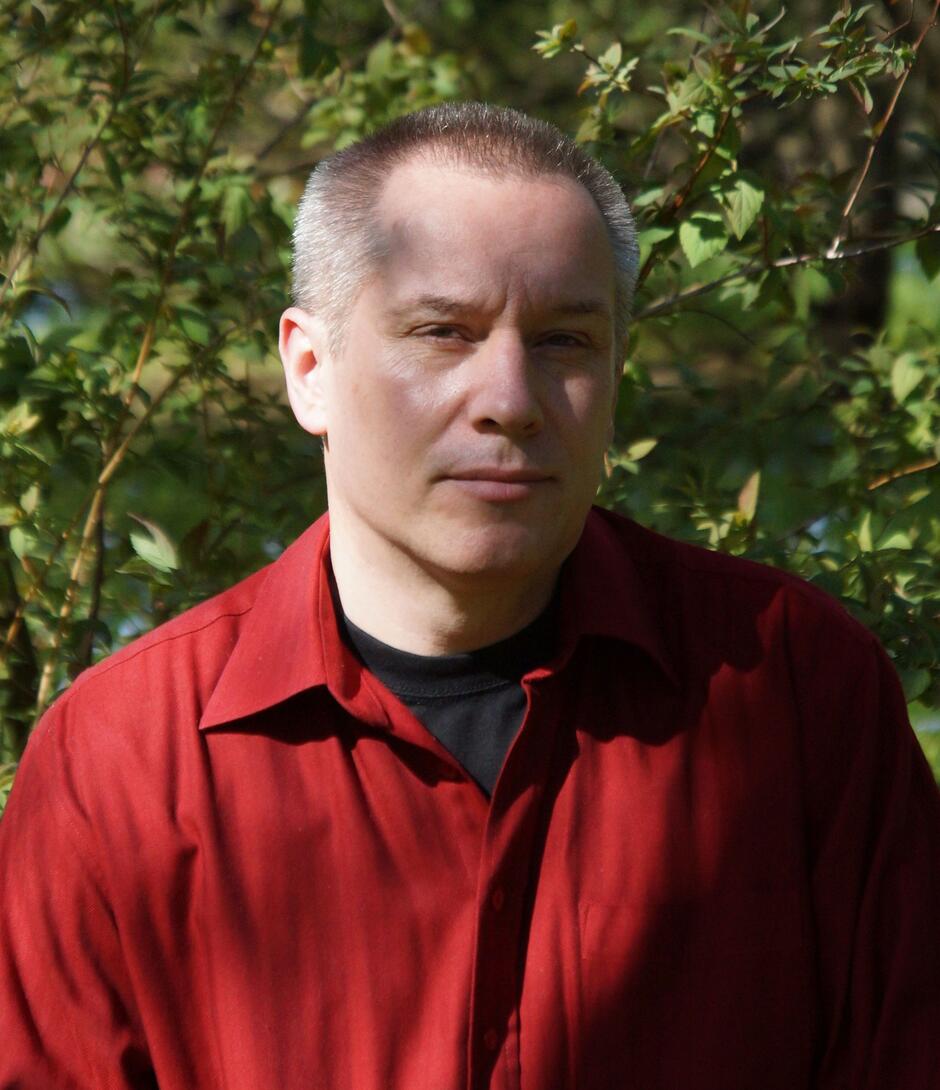
Tomasz Majda
Graduate and employee of the Faculty of Architecture at the Warsaw University of Technology. For 10 years assistant professor at the Faculty of Horticulture, Biotechnology and Landscape Architecture of the Warsaw Life Science University.
President of the Society of Polish Town Planners, Polish delegate to the European Council of Town Planners (ECTP-CEU), for many years chairman of the Polish delegation to the International Society of City and Regional Planners (ISOCARP), member of the Global Planners Network; for two terms chairman of the Urban Planning and Architectural Commission of the Capital City of Warsaw, member of the Main Urban Planning and Architectural Commission of the Ministry of Infrastructure, for several years member of the Legal and Urban Planning Team as well as Team for metropolitan areas of the the Polish Academy of Sciences. Owner of a design office, co-author of several dozen local plans, a number of municipal studies, development strategies, urban planning projects, ecophysiographies. Lead expert on the planning part of the Flood Safety Programme for the Central Vistula Valley commissioned by a consortium of 9 governors. Expert of the Nanjing 2049 development strategy team and masterplan of the new part of the city on the north bank of the Yangtze River for 5 million inhabitants. Lecturer for programmes in Abu Dhabi, Shenzen, Yekaterinburg.
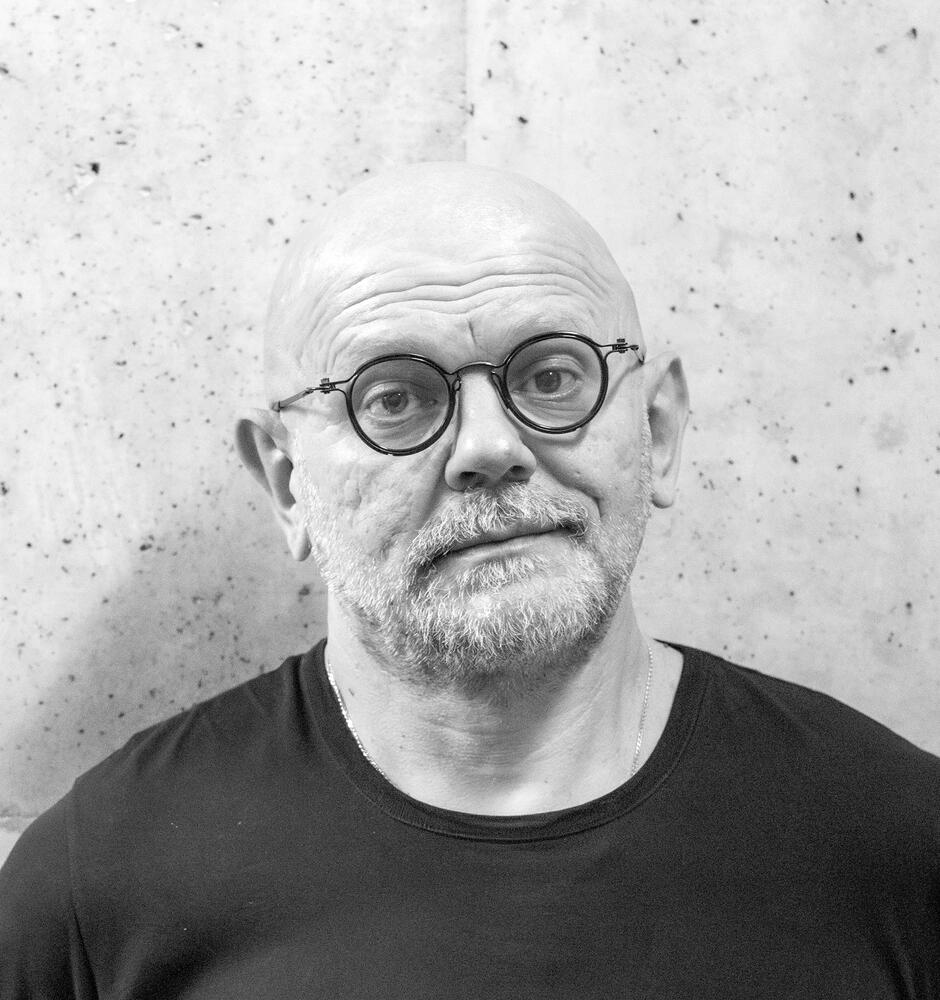
Paweł Majkusiak
An architect, graduated from the Faculty of Architecture at the Warsaw University of Technology in 1998. He has been working at JEMS Architekci since 1996 and became a partner at JEMS in 2003.
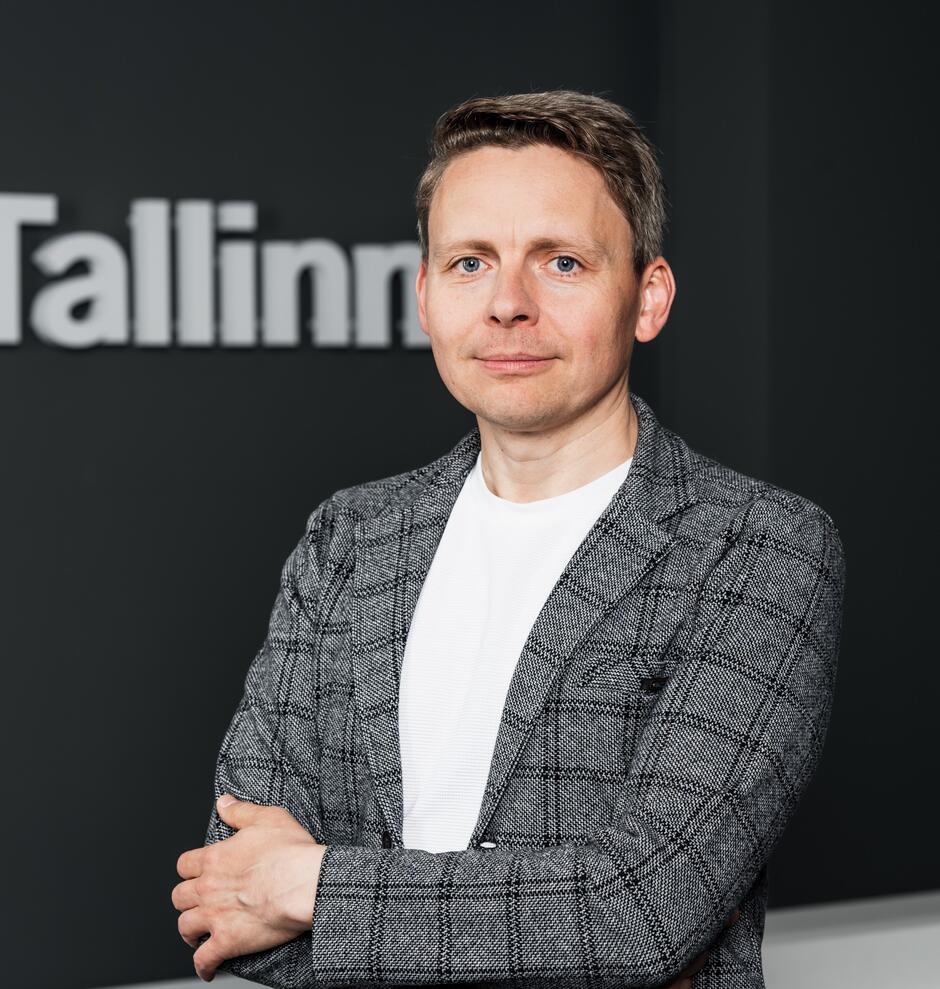
Andro Mänd
Currently the Chief Architect of the City of Tallinn. In 2020-2024 he was the President of the Estonian Association of Architects. As the head of the Association of Architects, one of the main tasks was to create a new position of state architect and restore the position of chief architect of Tallinn, which was abolished in 2019 for political reasons. We have now achieved both goals in Estonia. Last year, the position of chief architect of Tallinn was restored, and this year, the position of state architect was created for the first time. Hopefully, this will develop into something analogous to the Dutch Rijksbouwmeester.
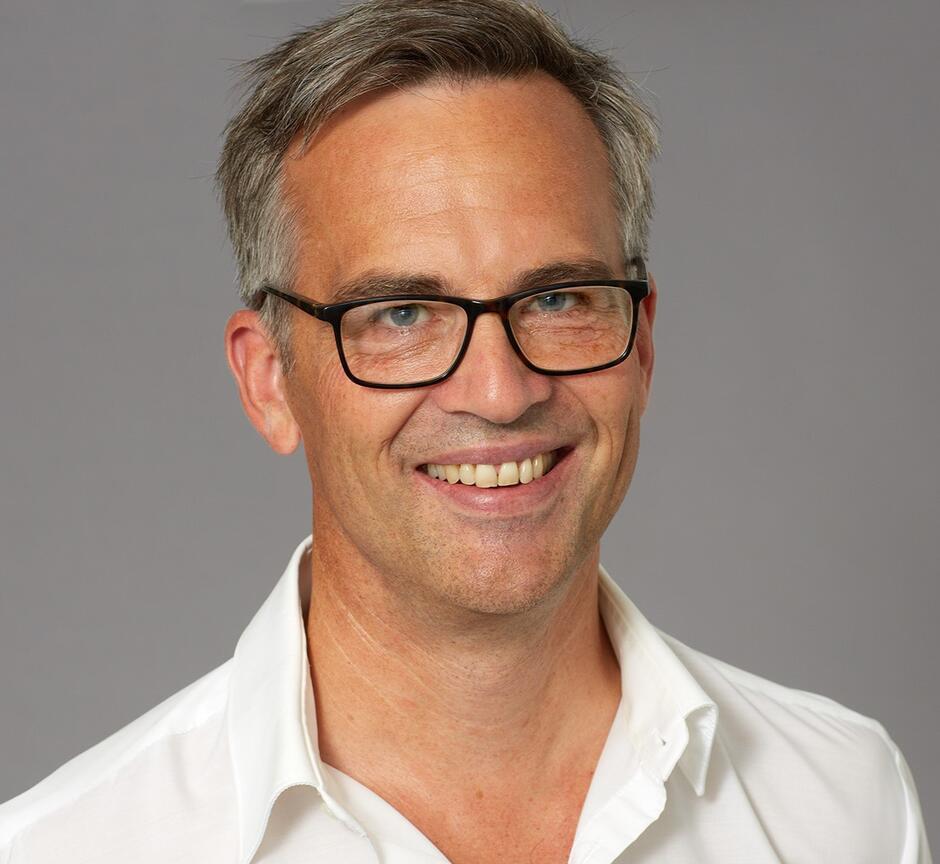
Oliver Martin
Oliver Martin holds a Master's degree and PhD in Architecture from the Swiss Federal Institute of Technology Zurich. Oliver Martin held various positions at the Swiss Federal Office of Culture until he joined its executive board in 2012 as Head of the Baukultur section. In parallel, he was a member of the Swiss delegation to the UNESCO World Heritage Committee from 2010 to 2013 and was a member of ICCROM Council from 2013 to 2021, serving as president from 2017 to 2021. He is one of the main authors and promoters of the concept of Baukultur and the related Davos Declaration, adopted by the European Ministers of Culture in 2018, which became a reference text for building and planning policies in Europe and beyond. Oliver Martin is the Chair of the Davos Baukultur Alliance, launched in 2023.
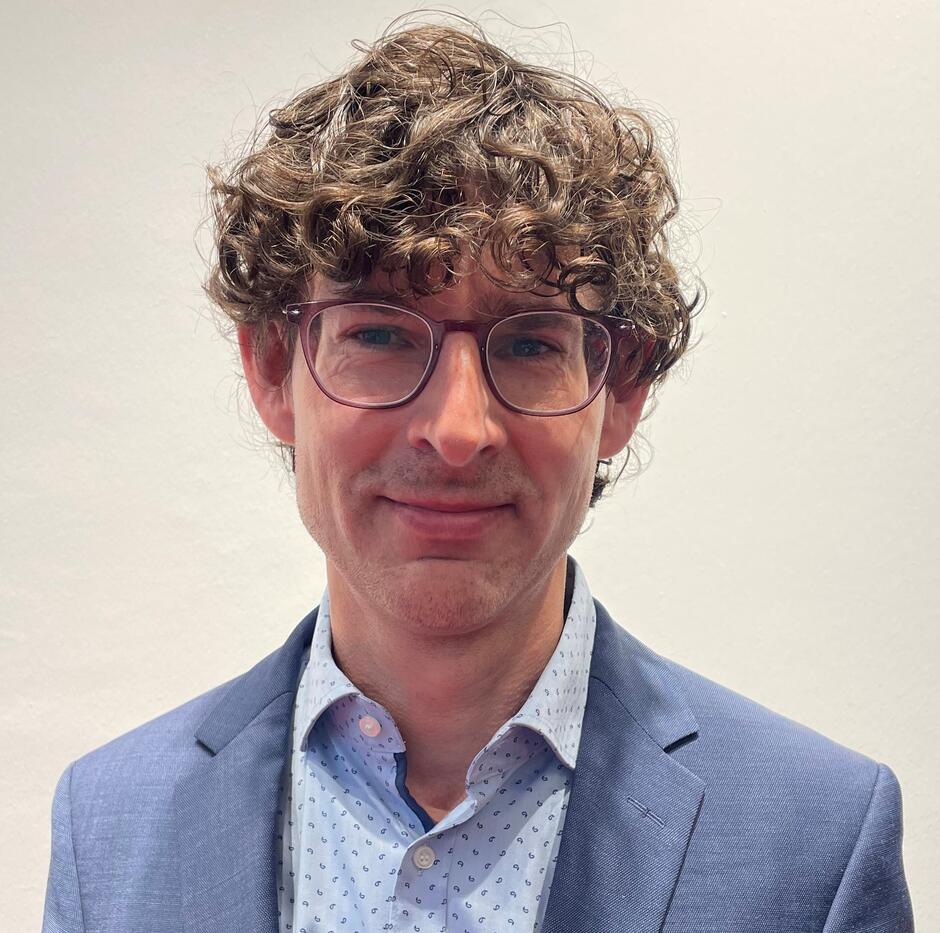
Stephan Mayer
Urban planner (Technical University Vienna/Technical University Berlin), based in Berlin, worked as urban planner in programs for urban regeneration in Berlin and Brandenburg. Since 2020 policy officer in the German Federal Ministry for Housing, Urban Development and Building, responsible for Federal Baukultur policy and Urban Development policy.
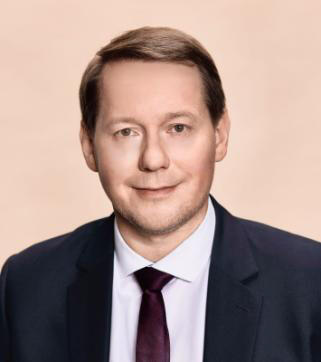
Michał Młyńczak
A lawyer by education. Graduate of the University of Wrocław, Faculty of Law, Administration and Economics. After completing his studies, he completed a legal apprenticeship at the District Bar Council in Wrocław, successfully passing the bar exam.
Since 2010, he has run a law firm in Wrocław specializing in legal assistance to individuals and business entities in the fields of civil, commercial, corporate, construction, and criminal law.
From 2018 to 2024, he served as a Councilor of the Wrocław City Council, Vice-Chairman of the Committee on Sustainable Development, Architecture and Environmental Protection, and a member of the Municipal Economy Committee, the Statutory Committee, and the Committee for Amendments to the Wrocław Statute. He was also the Chairman of the Civic Platform Councilors’ Club in the Wrocław City Council.
A basketball fan and enthusiast of water and winter sports. Privately, a happy husband to Dominika and father of three children: Oktawian, Aleksander, and Aida.
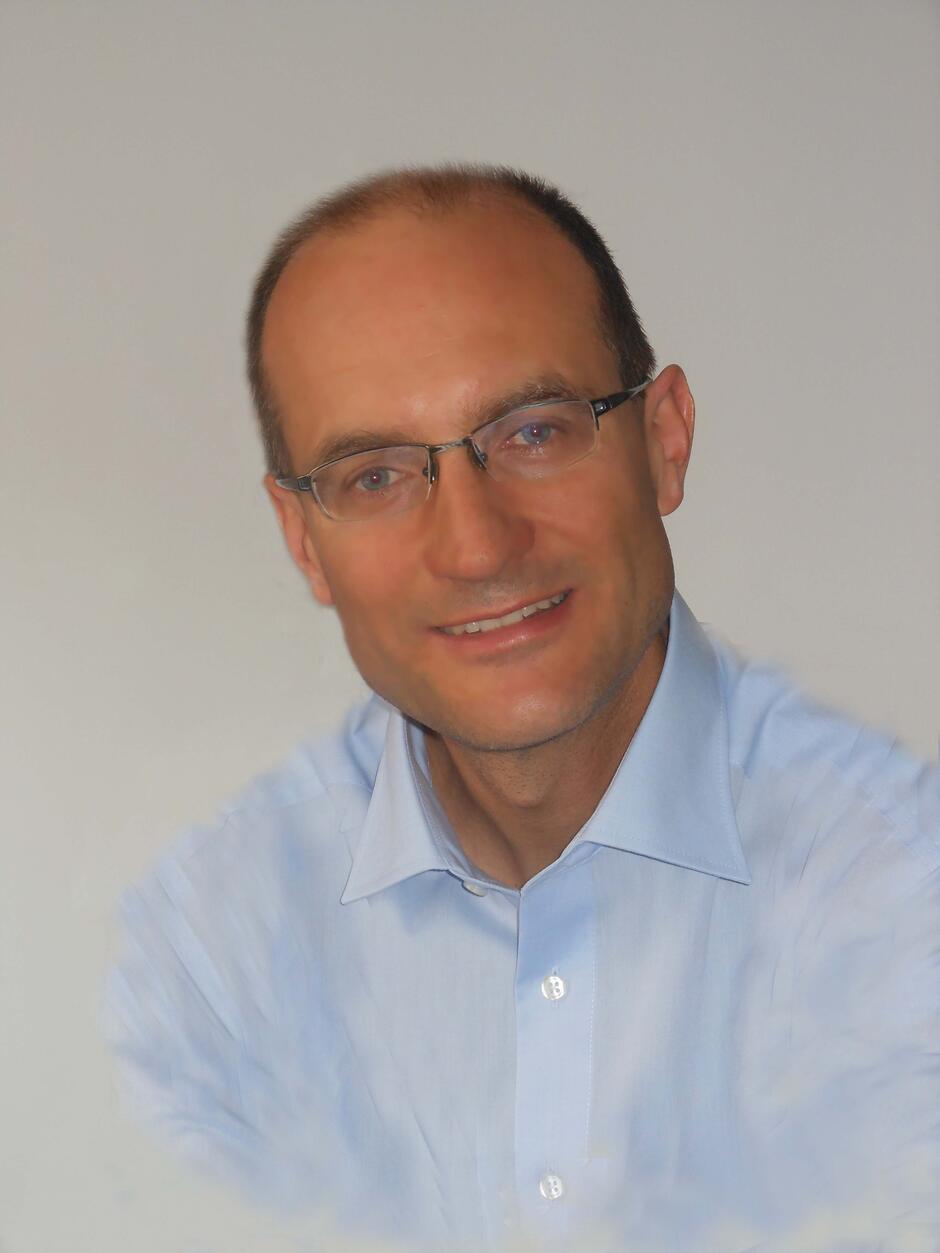
Stefan Moser
Stefan Moser was born in Munich in 1971 and trained as an economist and a lawyer. He joined the Commission in 2000 in DG Competition to work on control of state aid to public undertakings and services, notably financial institutions. From 2005 to 2009, he worked in DG Environment on climate and environment policy, notably greenhouse gas emissions trading, transport emissions and air quality. From 2009 to 2015, he dealt with policy coordination in the Secretariat-General, in particular on climate, energy, environment, transport, agriculture and maritime policies. From 2015 onwards, he has served as head of unit in DG Energy, first on energy security and safety, and then on energy efficiency of buildings and products and now on the Task Force Housing.
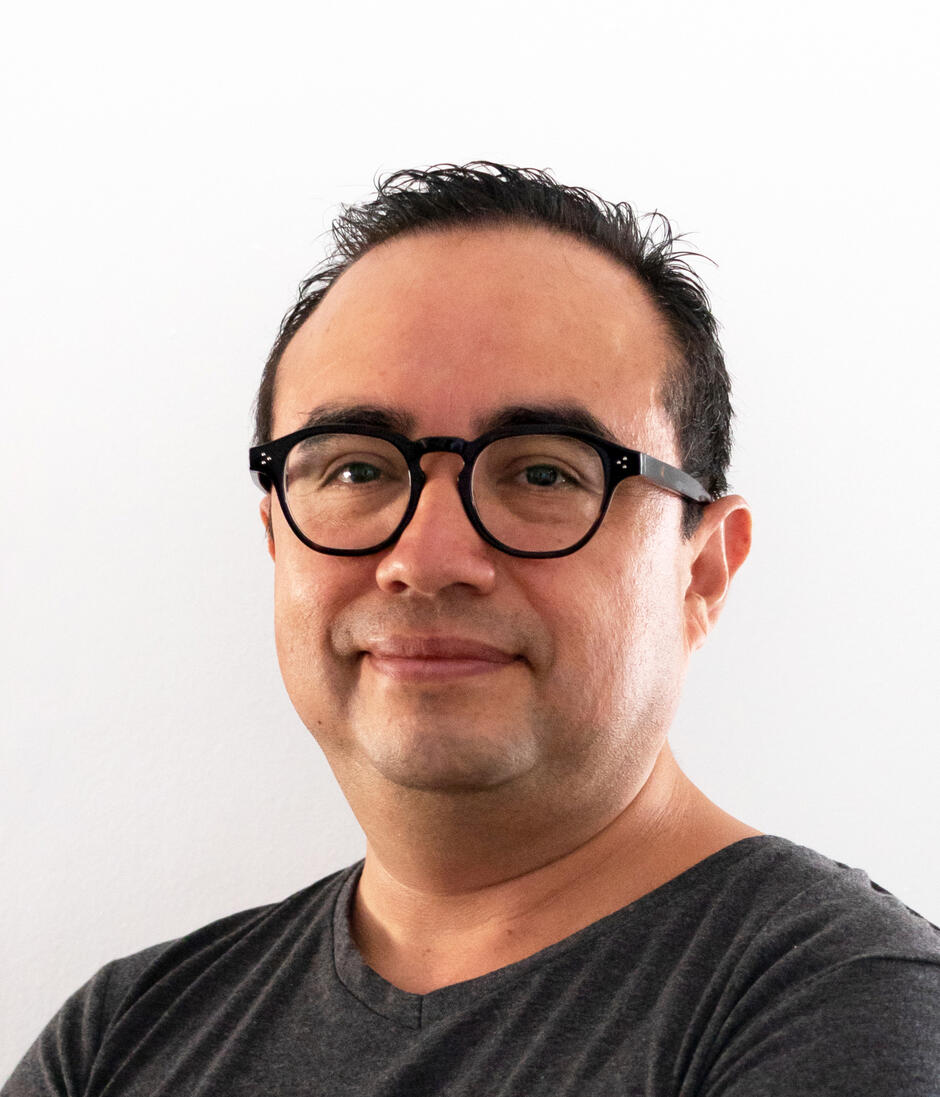
César Reyes Nájera
Architect, editor, and postdoctoral researcher in the Chair for the City of Esch at the University of Luxembourg. He holds a PhD in Bioclimatic Construction Systems and Materials, and his research focuses on urban social dynamics and degrowth strategies to critically update the notion of sustainable development. He is part of Cultures of Assembly, an interdisciplinary initiative exploring democratic space-making through critical spatial practices, research, and public engagement. At Cultures of Assembly, he co-curates The Esch Clinics, a long-term research project on the future of urban democracy and policy-making. He is co-founder and editor of dpr-barcelona, a publishing practice that bridges architecture with politics, culture, and the social sciences. His editorial work centres on the intersection of critical spatial practices, architecture, and activism. César has co-curated and advised exhibitions including Think Space, AdhocracyATHENS, and Twelve Cautionary Urban Tales, and serves as an Archis Adviser for VOLUME Magazine. Since 2022, he has also been the project manager for dpr-barcelona within the LINA platform (Creative Europe).
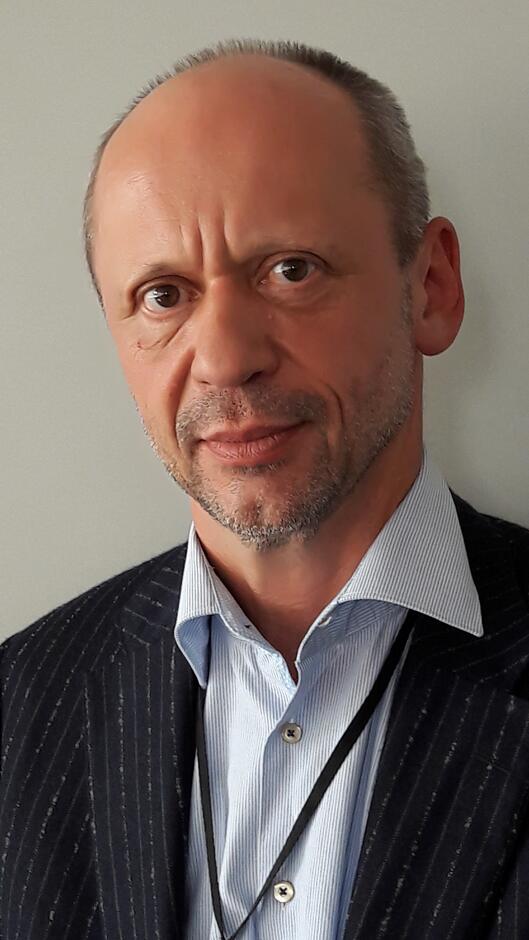
Normunds Popens
Since January 2024, Normunds Popens is the Deputy Director General in the Directorate General for Education, Youth, Sport and Culture.
From 2011, Normunds Popens has been the Deputy Director General for Implementation in the Directorate General for Regional and Urban Policy of the European Commission and in charge of overseeing the implementation of structural and cohesion fund programmes in EU member states and candidate countries.
Before joining the European Commission in March 2011 he has occupied several posts in the Latvian diplomatic services.
Notably from 2007 until 2011, he was a Permanent Representative of Latvia to the EU.
Before that he dealt with European affairs as Undersecretary of State of the Latvian Ministry of Foreign Affairs. He has been also responsible for the issues of foreign trade and transatlantic relations and has worked as an Ambassador in Norway, Iceland and in the USA as a diplomat.
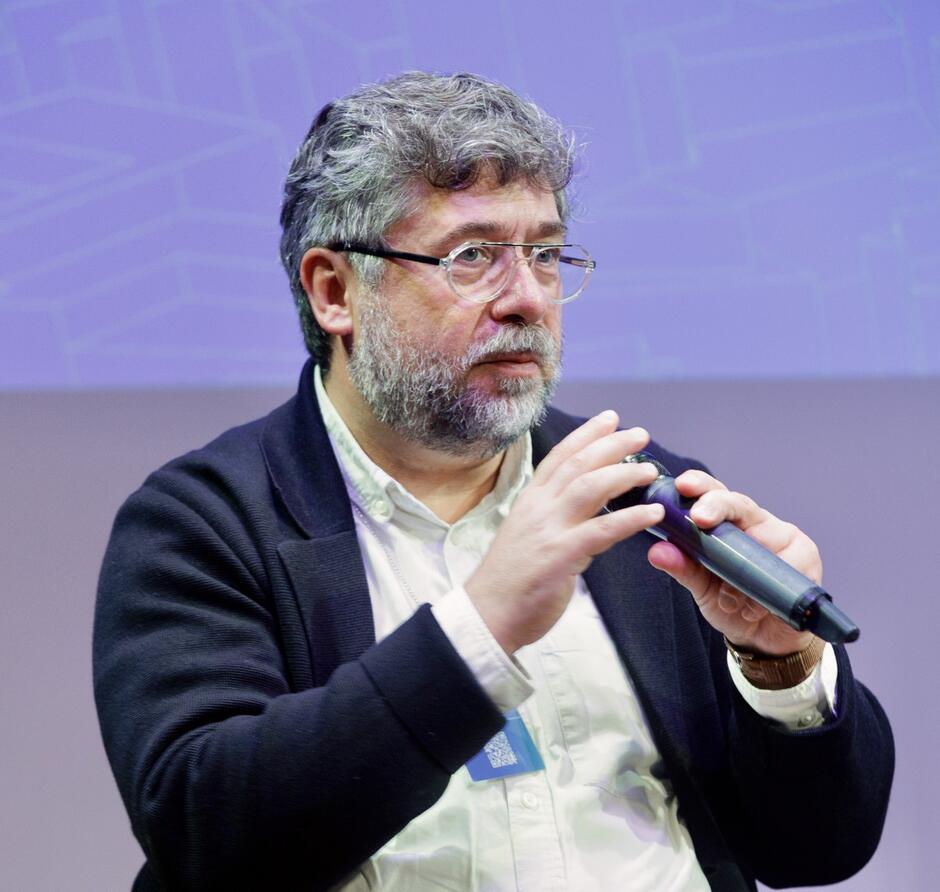
Eugen Pănescu
Architect – urbanist – senio expert for urban development. Contributes since 2002 to the transformation of the planning professional practice in Romania with urban expertise at national level and abroad within an efficient network of professionals.
Chairs the Urban Transformation and Housing group within the Architects Council of Europe for an enhanced impact and quality of European architects’ services.
He puts forward the cultural approach towards the built environment, promoting housing quality, the wise adaptive re-use and cautious retrofitting of buildings and regeneration of urban areas, as well for a closer connection to the related professional associations of spacial planners and landscape architects.
In continious dialogue between public administration and civic action, he promotes the holistic approach of urban development through social and economic equity, carbon neutrality of cities and responses to climate degradation. His ideas concern finding responsible positive answers to urban issues in cross-cultural cooperation and social awareness.
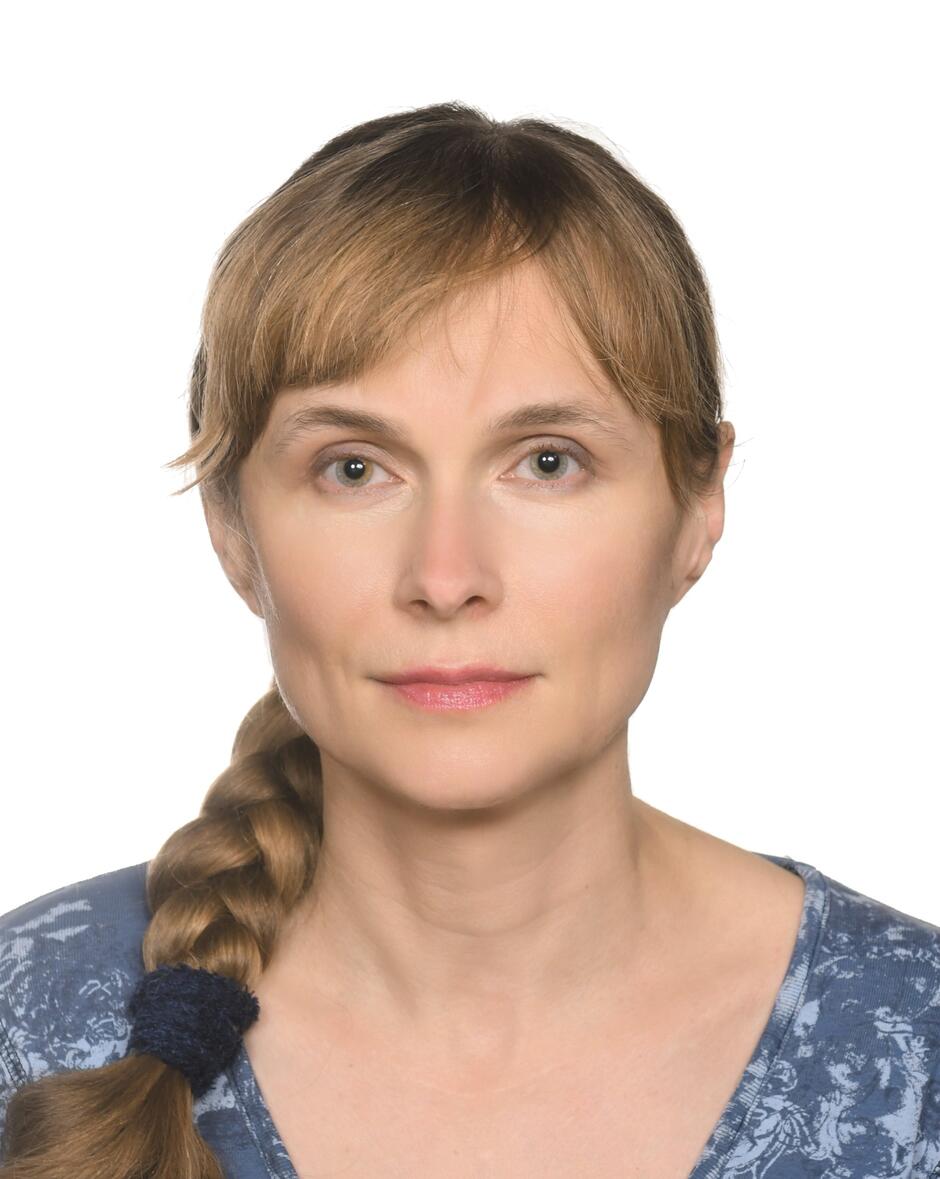
Małgorzata Peters
Graduate in architecture and urban planning from the Faculty of Architecture at the Warsaw University of Technology, with extensive experience in local government administration, specializing in spatial planning in connection with investment planning and implementation. In the national administration, she focuses on systemic solutions for high-quality urban spaces. Co-author of legislation and strategic documents in the fields of spatial planning, urban policy, and urban regeneration. She has participated in the working group for spatial planning system reform at the Ministry of Development and Technology and has been actively involved in international initiatives for sustainable built environment and landscape development. Head of the Public Space Aesthetics Unit at the Department of State Patronage within the Ministry of Culture and National Heritage, coordinating projects focused on promoting instruments of landscape protection and development and preservation of contemporary architectural and urban heritage.
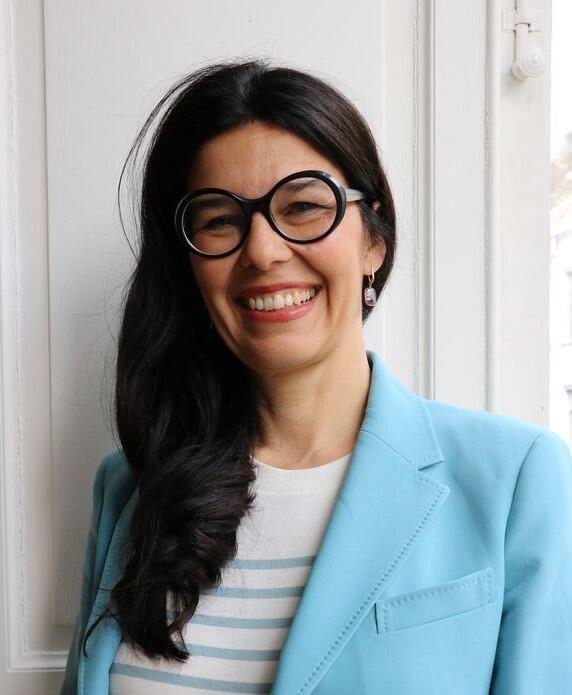
Ruth Schagemann
Ruth Schagemann, (b. 1974) is an architect who studied architecture at the University of Braunschweig and at the University of Stuttgart in Germany. In 2006, she founded the architect’s office VICEVERSA Architektur+ Medien together with her husband. She was elected member of the Executive Board of the Architects` Council of Europe (ACE) from 2016 until 2021, Coordinator of the European Network of Architects` Competent Authorities (ENACA), member of the Coordination Group Europe of the Federal Chamber of German Architects and was the Head of department of national and international professional policy at the Chamber of Baden-Württemberg (Germany). In 2021, Ruth Schagemann was elected President of the Architects’ Council of Europe for a two-year term (22/23). Since January 2023, she is also serving as the Managing Director of the Brussels Office of the Federal Chamber of German Architects (BAK). She represents ACE in the 2023 Davos Baukultur Alliance Steering Committee. On 23 November 2023, Ruth Schagemann was unanimously re-elected President of the organisation for a two-year term (24/25).
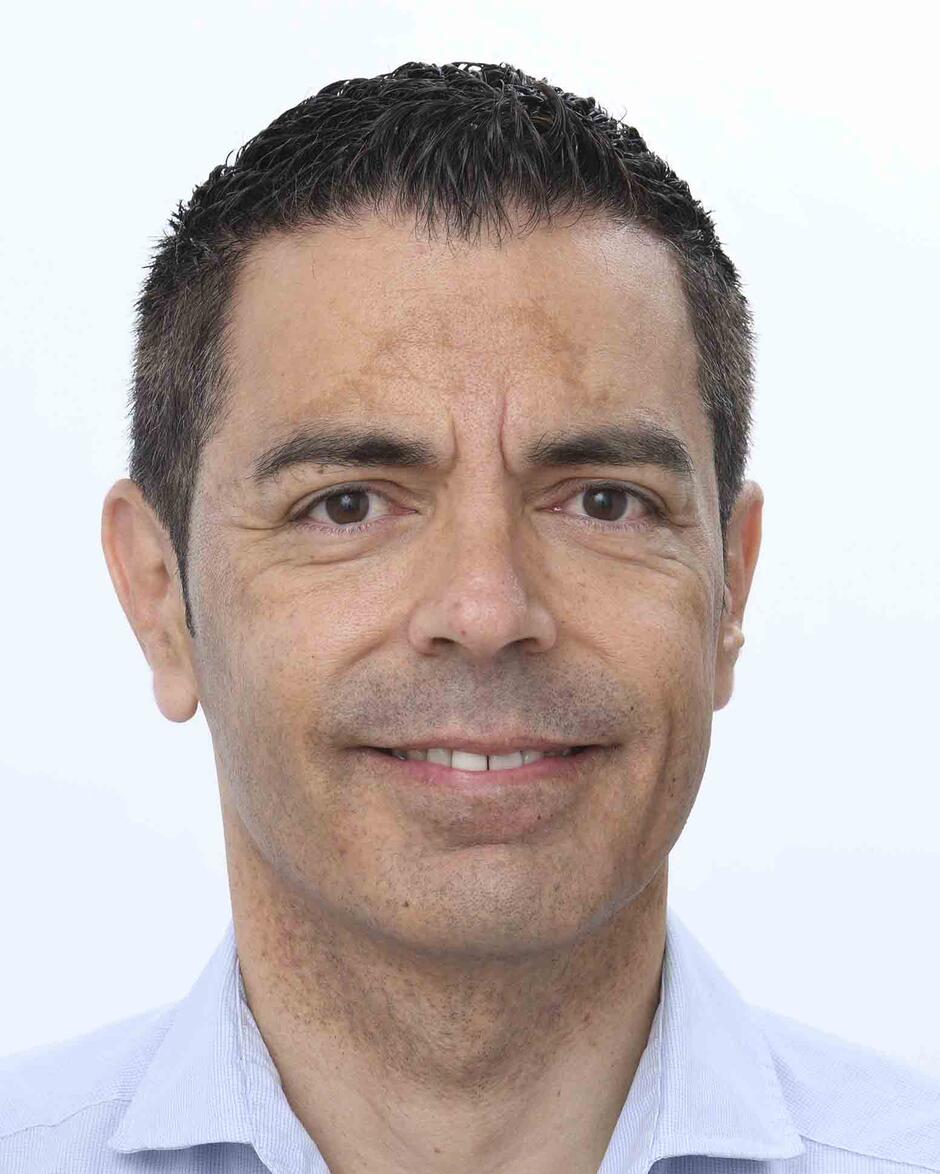
Marcos Ros Sempere
Marcos Ros Sempere is a Spanish Member of the European Parliament, in the Group of the Progressive Alliance of Socialists and Democrats. He is a member of the Committee on Culture and Education and of the Committee on Regional Development. He has been the initiator and coordinator of the New European Bauhaus Friendship Group in the European Parliament and he is working also as the co-rapporteur of the own initiative report on the New European Bauhaus from the CULT Committee.His professional and political career is closely linked to architecture and urban planning. He holds a doctorate in architecture from the University of Madrid, and he is professor on leave of absence in urban planning at the Cartagena School of Architecture. Marcos has also a lot of experience in restoration and renovation of historic heritage buildings, where he was awarded an Architecture Prize of the Region de Murcia for the development of the Integral Plan for the Rehabilitation of Facades in Cartagena.
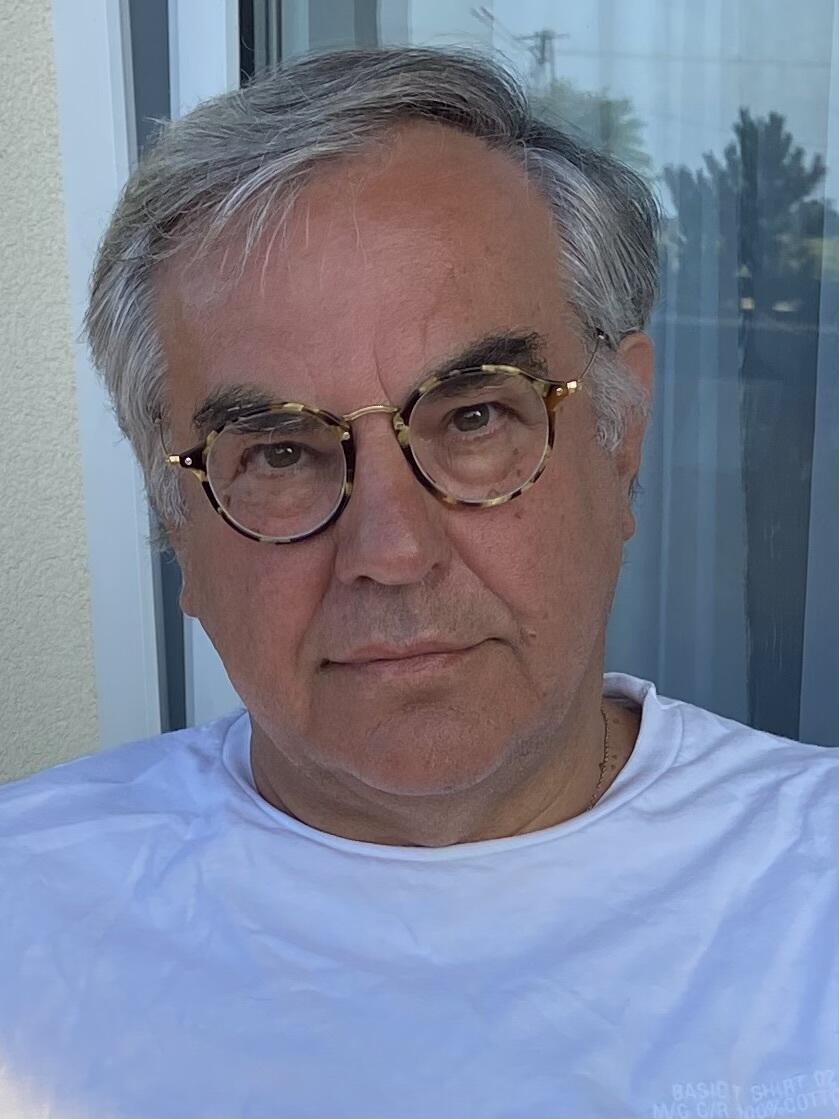
Janusz Sepioł
Completed his studies in architecture at Politechnika Krakowska (the Cracow University of Technology) and in art history at the Jagiellonian University. He has worked as an urban planner, served as Marshal of the Małopolska Region (head of the regional government), and held office as a Senator in the Polish Parliament for two terms. Most recently, he served as City Architect of Rzeszów and, since autumn 2024, has held the position of Chief Architect of the City of Kraków. He is the author of several essayistic books, primarily focused on the history of architecture, as well as numerous publications in professional journals.
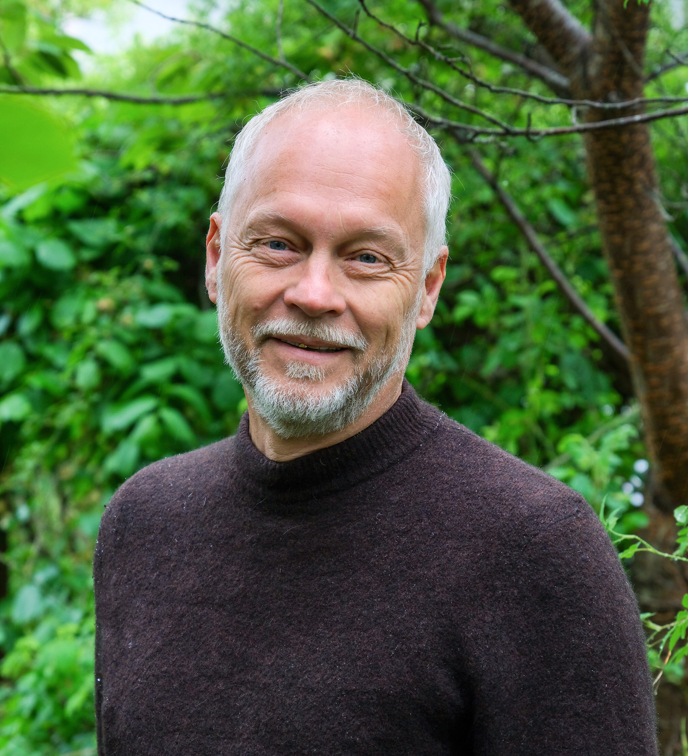
Björn Siesjö
Björn Siesjö, who grew up in Lund, is a Swedish architect. He moved to Gothenburg in 1983 and earned his degree in architecture from Chalmers University of Technology. In 2001, he co-founded the architecture firm Kanozi Arkitekter together with two partners.
Siesjö has extensive experience in urban planning, industrial buildings, schools, offices, housing, and private homes. He has taught at Chalmers and has won several architectural competitions, including Masthusen and Western harbour in Malmö, as well as the Station Area in Northen Harbour, Malmö.
Since 2012, he has served as the City Architect of Gothenburg.
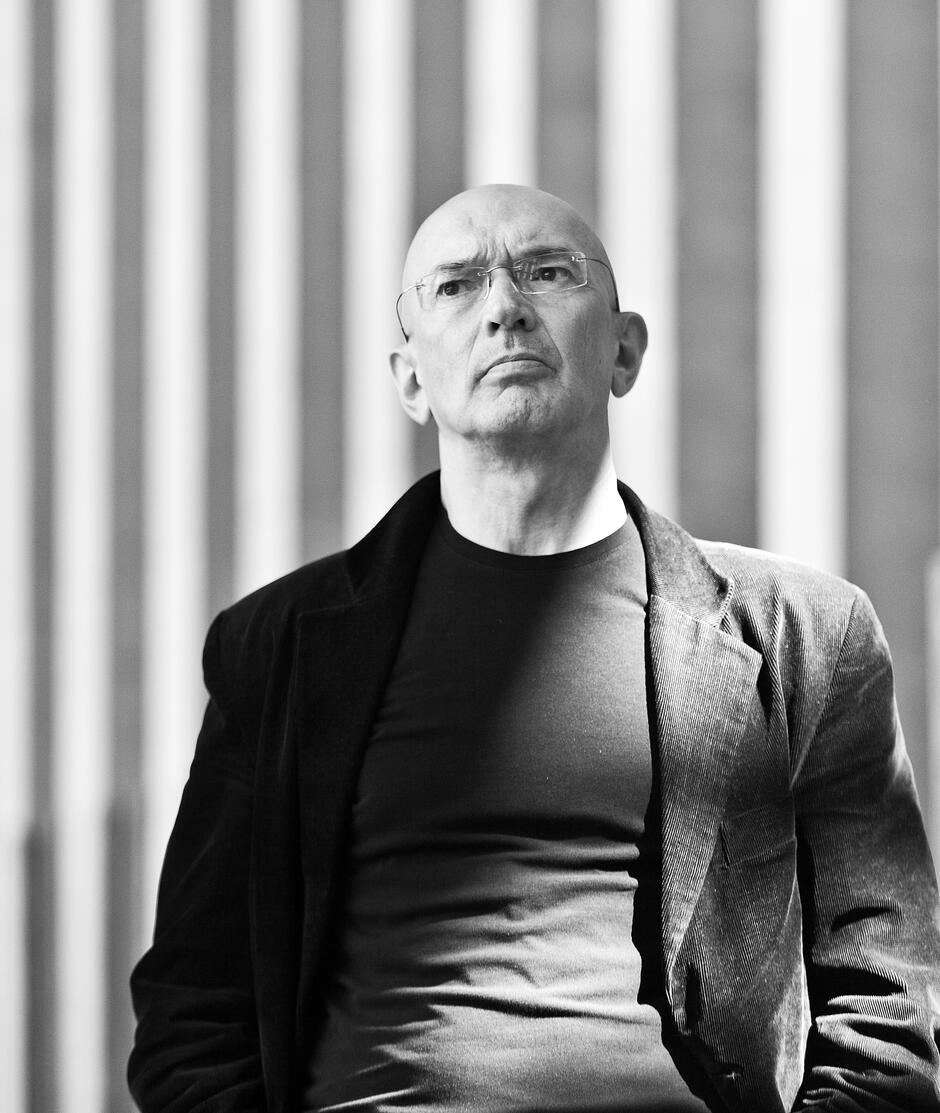
Bolesław Stelmach
Bolesław Stelmach graduated from Cracow University of Technology, the Faculty of Architecture in 1980 and Warsaw University of Technology, post-graduated studies in Spatial Planning in the Faculty of Architecture in 1984. In 2009, he obtained the title of PhD, Engineer of Architecture, in 2016, the degree of doctor habilitated at the Faculty of Architecture of the Warsaw University of Technology, and in 2022 the title of professor in the field of engineering and technical scieces, in the discipline of architecture and urban planning. Since 2019, he has been a professor at the Lodz University of Technology.
General designer of Stelmach i Partnerzy, architecture office founded in 1992, specializing in urban planning and architectural design of cities, landscape and houses. The company operates all over Poland with its main office in Lublin.
His architectural works are characterized by great consistency in pro-ecological, functional approach to modern yet beautiful buildings, which enrich the existing landscape and respect the cultural environment. These qualities were recognized by the Association of Polish Architects, which granted Bolesław Stelmach the most prestigious distinction - the Honour Prize in 2010.
In 2012, for his special contribution to polish culture, he received the Bronze Medal GLORIA ARTIS from the Minister of Culture of the Republic of Poland, and in 2015, for his outstanding contribution to architecture, he received the Officer’s Cross of Order of Polonia Restitua. In 2017, he was awarded the Annual Award of the Minister of Culture and National Heritage in the field of architecture. Since November 2017, he has been the Director of the National Institute of Architecture and Urban Planning in Warsaw.
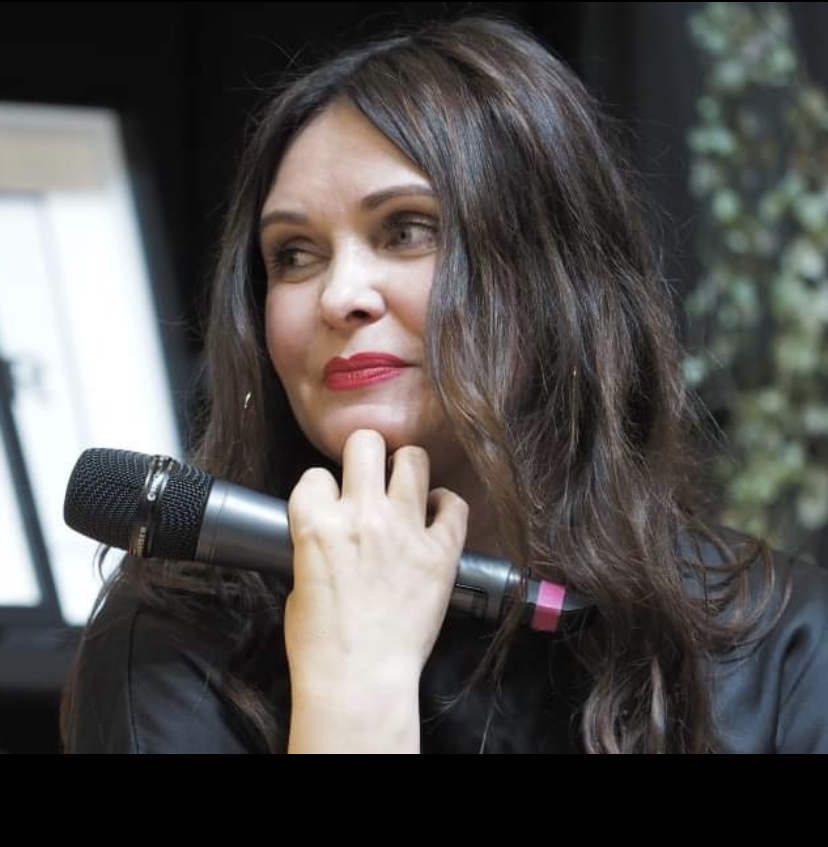
Małgorzata Tomczak
Editor-in-chief of Architektura & Biznes, monthly and website leading with contemporary architecture, urbanism and design. Editor of architectural books, member of jury of an architectural competitions. She dedicated most of her professional career to architecture and urbanism. She has published widely within the field of urban planning and architectural critique. Currently the main focus of her research is on the urban planning in Cracow. Initiator and co-author of the PAKTU DLA PRZESTRZENI.
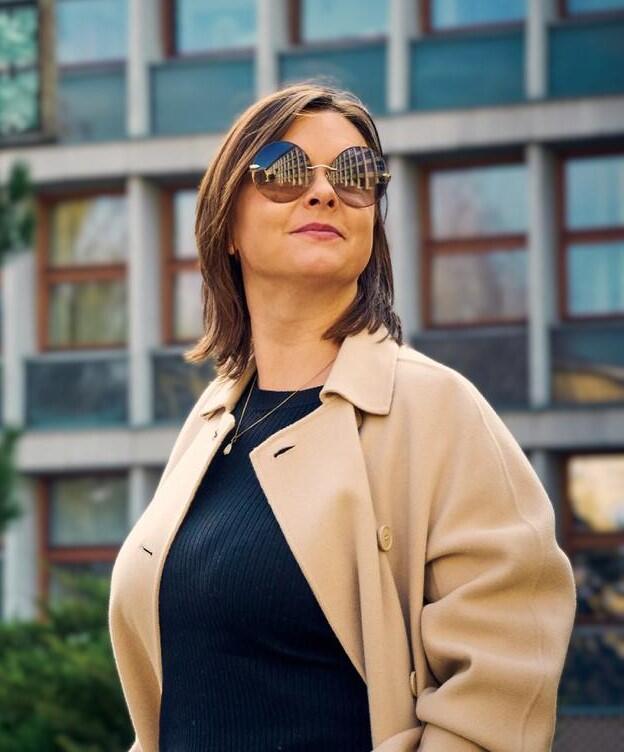
Agata Twardoch
Architect and urban planner, professor at the Faculty of Architecture of the Silesian University of Technology in the Department of Urban and Spatial Planning. Since September 2024, she has also served as the City Urban Planner of Gliwice. She has published over 100 academic and popular science articles, including the books "A System for Housing: Perspectives on the Development of Affordable Housing" (2019) and "Women Architects: Will Women Build Better Cities?"
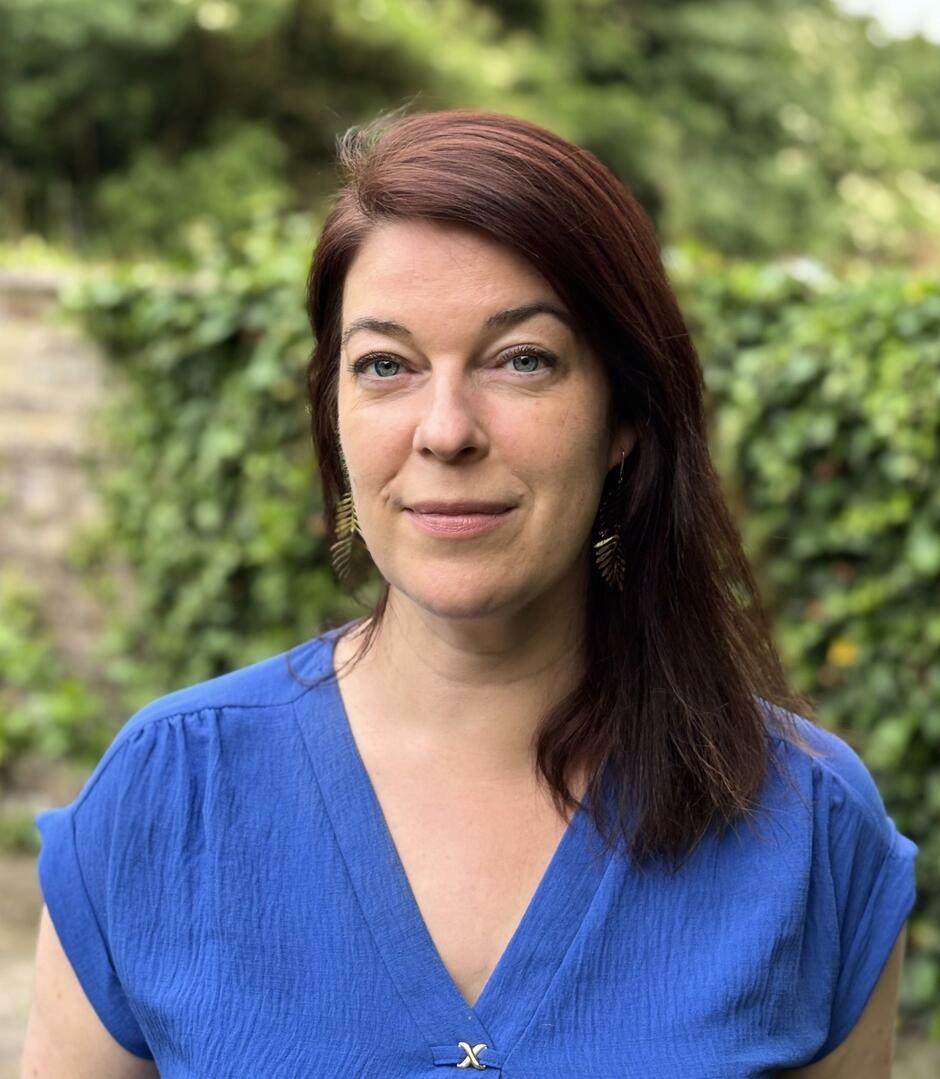
Catherine Vilquin
Belgian urban planner specialising in regenerative planning, with degrees in architecture, urban design, landscape urbanism and permaculture design. As a scientific collaborator at the KU Leuven, Catherine has worked with UN-Habitat and NGOs in post-crisis contexts in Sri Lanka, Vietnam and Haiti. She took part in research studies and projects in flood-prone and ecologically sensitive areas in Cambodia, Peru, Mongolia and more recently across the Benelux.
For the last 10 years, Catherine is working at XMU-Urbanistes, an urbanism agency based in Wallonia, Belgium, where she is involved in resilience strategies in Belgium’s most vulnerable territories following the 2021 floods and in the development of municipal strategic plans towards net zero land take by 2050.
Catherine is the delegate of the French speaking belgian planners association (Chambre des Urbanistes de Belgique - CUB) to the European Council of Spatial Planners (ECTP-CEU), of which she is a member of the executive committee since 2021.
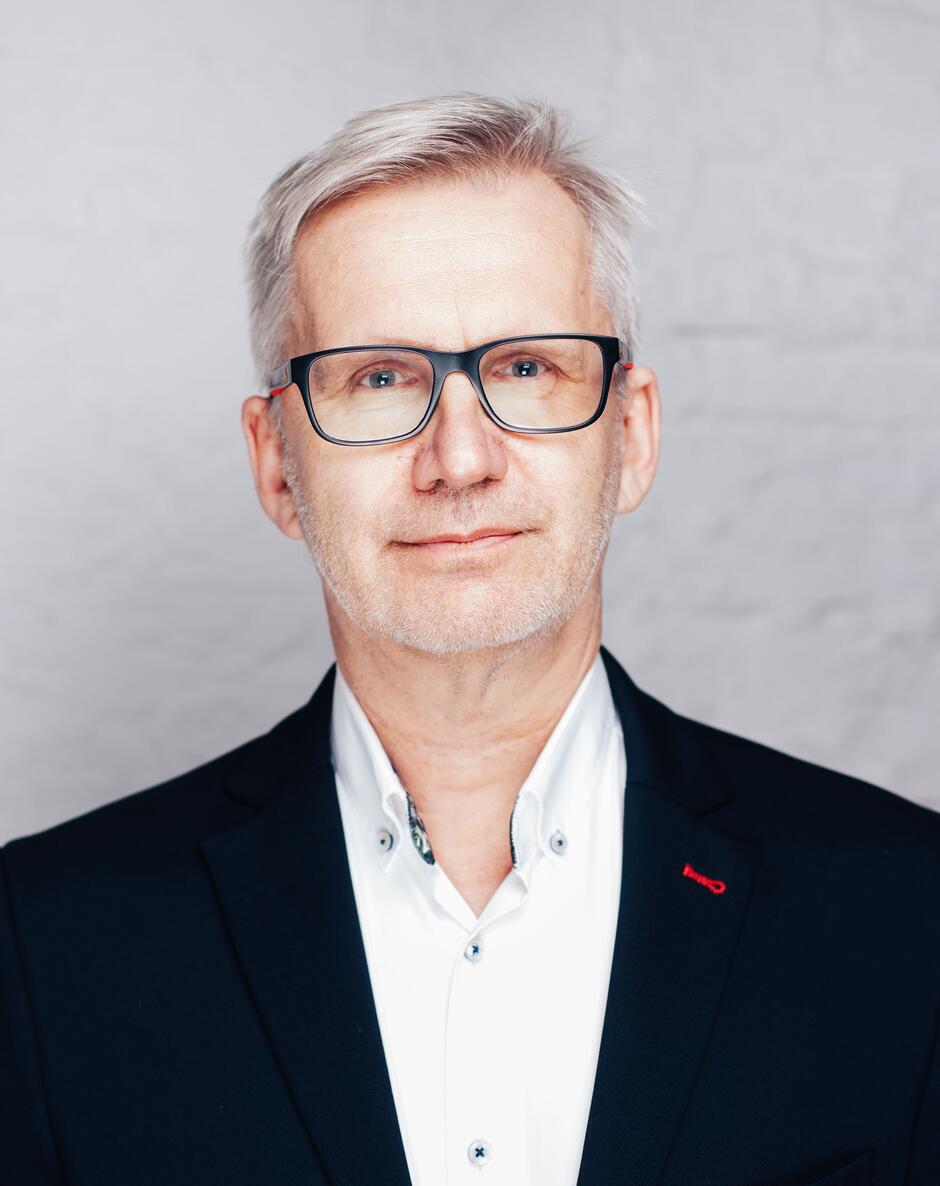
Szymon Wojciechowski
CEO, Co-Owner at APA Wojciechowski Architects is an architect with over thirty years of experience, a graduate of the Faculty of Architecture of the Warsaw Univeristy of Technology (Poland) and the University of Detroit Mercy (USA), a member of the Mazovian District Chamber of Architects. From 1982 he has been associated with APA Wojciechowski – currently APA Wojciechowski sp. z o.o. Author or co-author of many well-known architectural projects, including, Elektrownia Powiśle, Skyliner, The Park Warsaw, Latarnia and Port (Port Praski), Galeria Północna in Warsaw (Poland), Riverview, Format, Officyna and Alchemia in Gdańsk (Poland), Kielecka 2 (K2) in Gdynia, Business Garden Wrocław and Centrum Południe in Wrocław (Poland), Nova Silesia in Katowice (Poland) and The Park Kraków (Poland), UNIT.City in Kyiv (Ukraine), Lviv.Tech.City in Lviv (Ukraine), White Square Office Center and White Gardens Office Center (Russia).
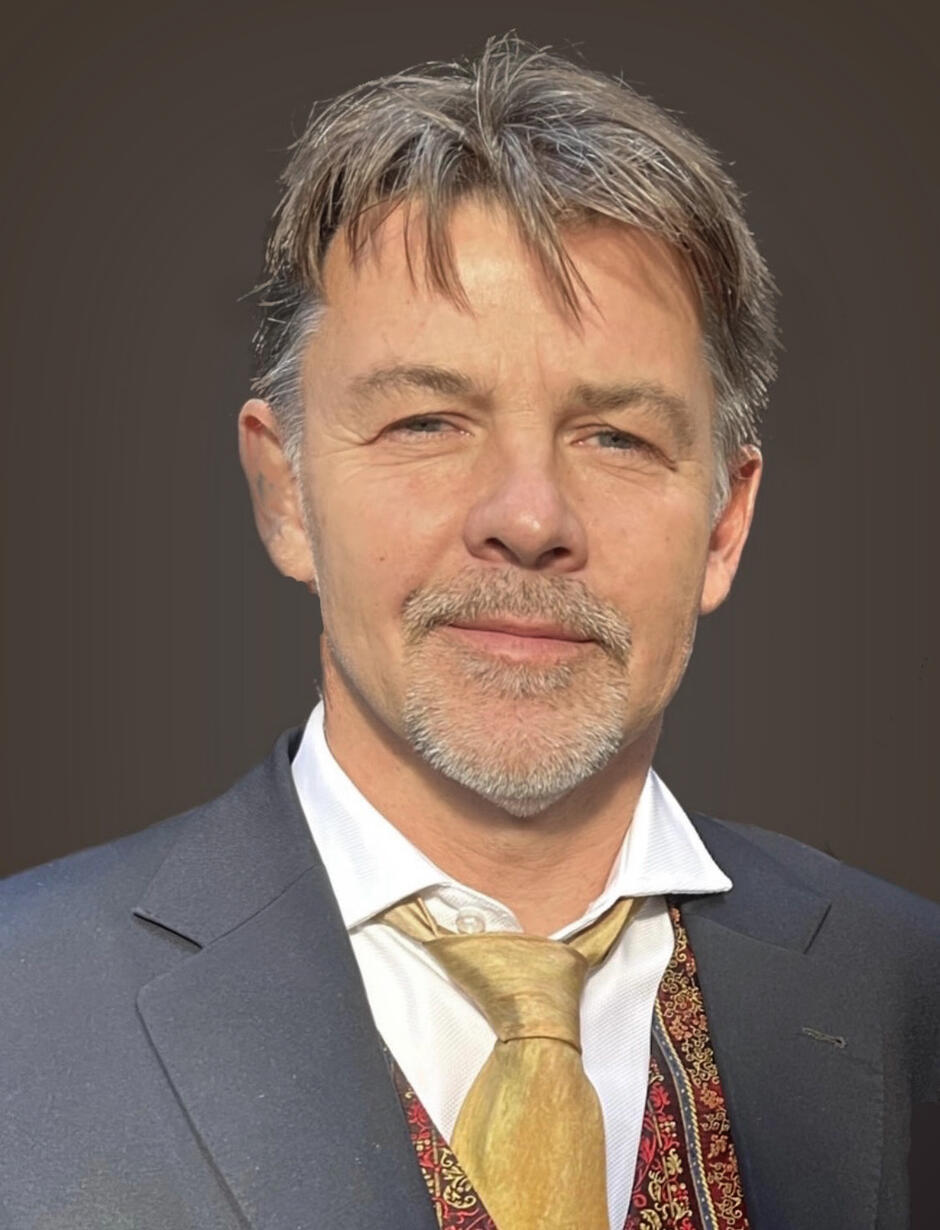
Marcin Woyciechowski
Born on February 15, 1970, in Gdańsk, he graduated from the Faculty of Architecture at Gdańsk University of Technology in 1993. After completing internships at architectural offices in Poland, the Netherlands, and Switzerland, he has run his own design practice since 1995 (licensed for unlimited architectural design since 2001). Following periods of collaboration with various entities, he has been primarily associated for many years with the investment company Grupa Inwestycyjna Hossa S.A., where he has served for over a decade as a board member and head of the in-house design studio.
He is the author of numerous completed residential estates and mixed-use buildings (over half a million square meters of housing, home to several thousand families), public utility buildings (100,000 m² including, among others, a church, department stores, office buildings, and a concert hall), and other commercial buildings (approx. 30,000 m² including hotels, guesthouses, a swimming pool and spa complex, and more). He is the winner of several architectural competitions and awards, including twice receiving the Mayor of Gdańsk’s Award for the best architectural realization of recent years.
Founder and long-standing member of the governing bodies of an educational association, he also established a scholarship fund for talented youth from the village of Kanie—the ancestral estate of the Woyciechowski family. Since 2014, he has lectured at the Faculty of Architecture at Gdańsk University of Technology in the Spatial Economy program, focusing on Urban Planning and Economics.
Devoted father of three daughters, he is a passionate traveler, sailor, and recreational skier.
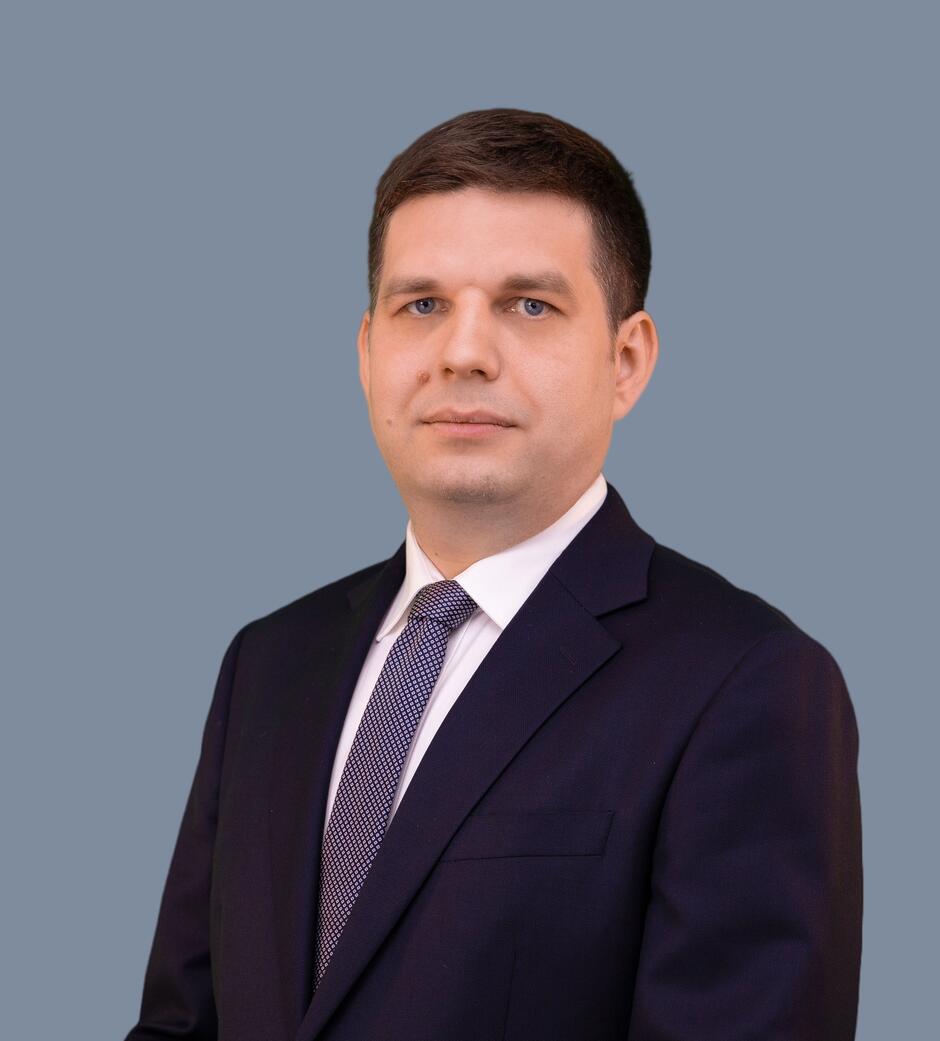
Maciej Zielonka
Born in 1985 in Gdynia, graduated from the First Academic High School in Gdynia. He holds a Master's degree in Spatial Management from the Adam Mickiewicz University in Poznań and a postgraduate diploma in Real Estate Valuation and Urban Spatial Development Management from the Gdańsk University of Technology.
Spatial planner and real estate appraiser. His day-to-day work involved operational urban planning related to the construction investment process and property valuation. He worked in the Spatial Planning Office of the City of Gdynia, Pomeranian Regional Planning Office and in a private company in the power engineering construction sector. He also ran his own business.
For years involved in social activities in Gdynia: member of the Young Democrats association, the Działki Leśne district council, the Miasto Wspólne (Common City) urban movement and the board of a large housing community in Mały Kack district. Organiser of numerous meetings, debates and workshops on spatial planning and the creation of space in Gdynia. Creator of websites dedicated to the city: gdynia.new.pl - on architecture and urban planning in Gdynia, and przestrzengdyni.pl - on spatial planning in the city. Author of three completed investment projects as part of the Civic Budget in Działki Leśne.
Privately, a happy husband and father. Loves long walks with his dog. He is interested in sport - explores the area of the Tricity agglomeration on his bike: MTB, road and gravel. In his youth he was a junior player in the Arka Gdynia football team. He enjoys travelling around Poland and Europe.


